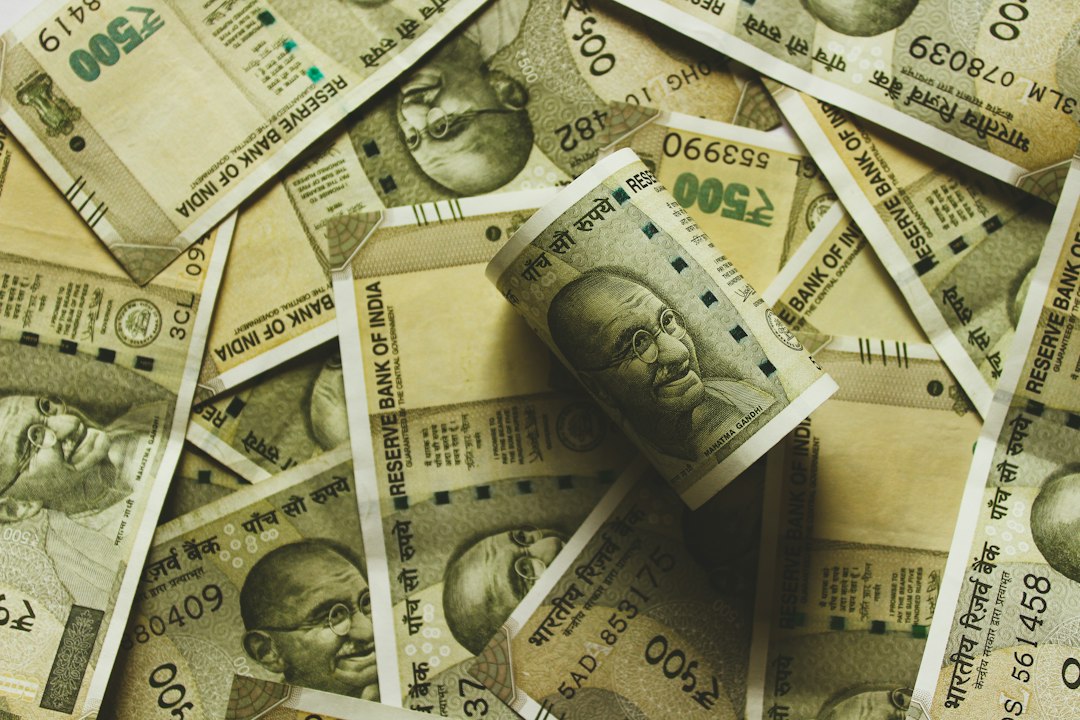
New Delhi, October 7, 2026: The Reserve Bank of India (RBI) has raised its policy repo rate by 25 basis points to 5.50%, its first increase in nearly four years. The immediate question for millions of Indians is simple: will this make loans more expensive, and what happens to savings and fixed deposits?
What did the RBI decide?
The six-member Monetary Policy Committee (MPC) voted unanimously to raise the repo rate from 5.25% to 5.50%. The RBI also shifted its policy stance from neutral to calibrated tightening. The decision was announced on October 7 after the MPC’s October 5–7 meeting.
Why did the RBI raise the repo rate?
The central bank is responding to a less comfortable inflation outlook. Higher crude-oil prices, geopolitical uncertainty, a weaker rupee and pressure from food and fuel costs have increased the risk that inflation could remain elevated. At the same time, the RBI says economic activity remains resilient.
Reuters reported that the RBI’s latest projections put headline inflation at about 5.8% over the next three quarters, while the central bank retained a relatively strong view of economic growth. The RBI’s shift to calibrated tightening signals that controlling inflation has become more important than supporting further monetary easing at this stage.
What is the repo rate, in simple words?
The repo rate is the interest rate at which the RBI lends short-term funds to eligible banks against securities. When the RBI raises it, borrowing money generally becomes more expensive for banks and financial institutions.
That does not mean every bank immediately raises every loan rate by exactly 0.25 percentage point. The impact depends on the type of loan, its benchmark, the bank’s lending spread and when the loan rate resets.
Will your home-loan EMI increase?
It can, especially if your loan is linked to an external benchmark such as the repo rate. Banks may transmit the increase through higher lending rates. Depending on the loan agreement, a borrower may see a higher EMI, a longer repayment period, or both.
For example, purely as an illustration, a ₹50 lakh loan over 20 years at 8.00% has an EMI of about ₹41,822. If the rate were fully passed through to 8.25%, the EMI would be about ₹42,603 — roughly ₹781 more per month. This is only an illustration, not a prediction of any particular bank’s rate change.
What about personal and car loans?
Floating-rate personal and vehicle loans can also become more expensive when lenders transmit a policy-rate increase. The actual change depends on the benchmark and terms of the loan. Fixed-rate loans are generally insulated from an immediate change until the fixed period ends or the loan is reset under its terms.
Is this good news for fixed-deposit investors?
Potentially, but not automatically. Banks may increase deposit rates when they need to attract more funds, but the RBI’s rate decision does not require every bank to raise FD rates by 25 basis points. Existing fixed deposits normally continue at the contracted rate until maturity.
Does this mean more RBI rate hikes are coming?
Not necessarily. The latest stance leaves the door open to further tightening if inflation and other economic conditions require it, but the RBI has not announced a predetermined series of hikes. Future decisions will depend on incoming data and the inflation-growth outlook.
What does the repo-rate hike mean for ordinary Indians?
- Existing floating-rate borrowers: Check your loan benchmark and next reset date.
- New borrowers: Compare the effective interest rate, reset frequency and spread, not just the headline rate.
- Fixed-rate borrowers: There may be little immediate impact during the fixed-rate period.
- FD investors: Watch new deposit rates, but do not assume every bank will increase rates immediately.
- Savers: Higher rates can improve returns on some deposits over time, although the timing depends on banks.
Why is the RBI focusing on inflation now?
The basic monetary-policy trade-off is straightforward: higher interest rates can reduce demand and help contain inflation, but they can also raise borrowing costs and slow parts of the economy. The RBI is therefore trying to prevent temporary price pressures from becoming persistent while preserving economic momentum.
The bottom line
The RBI’s 25-basis-point increase takes the repo rate to 5.50% and marks a clear shift away from the recent easing phase. For borrowers, the key question is not simply whether the RBI raised rates, but whether and when their lender passes the increase through to their particular loan. For savers, the possible upside is better deposit rates, but that transmission is also not automatic.
Frequently asked questions
What is India’s repo rate now?
As of October 7, 2026, the RBI’s policy repo rate is 5.50%.
Will all home-loan EMIs rise immediately?
No. The effect depends on the loan’s benchmark, lender, spread and reset mechanism.
Will FD rates rise after the repo-rate hike?
They may, but banks decide their deposit rates based on funding needs and market conditions.
Is the RBI expected to cut rates soon?
The RBI’s latest communication indicates that rate cuts are not the immediate policy direction. Future decisions remain data-dependent.
Sources
- Reserve Bank of India — official central-bank information and monetary-policy material.
- Reuters — October 7, 2026 report on the repo-rate decision and policy stance.
- The Economic Times — implications for retail borrowers.
GAWAH Explainer separates confirmed policy decisions from likely effects. Loan and deposit outcomes vary by lender and product terms.