Dr. Syed Fazil Hussain Parvez
Editor, Gawah Urdu Weekly
Over the past fifty years, the character of Ramadan in Hyderabad has undergone remarkable changes. Yet despite these transformations, the spiritual essence of the holy month continues to define the identity of the city.
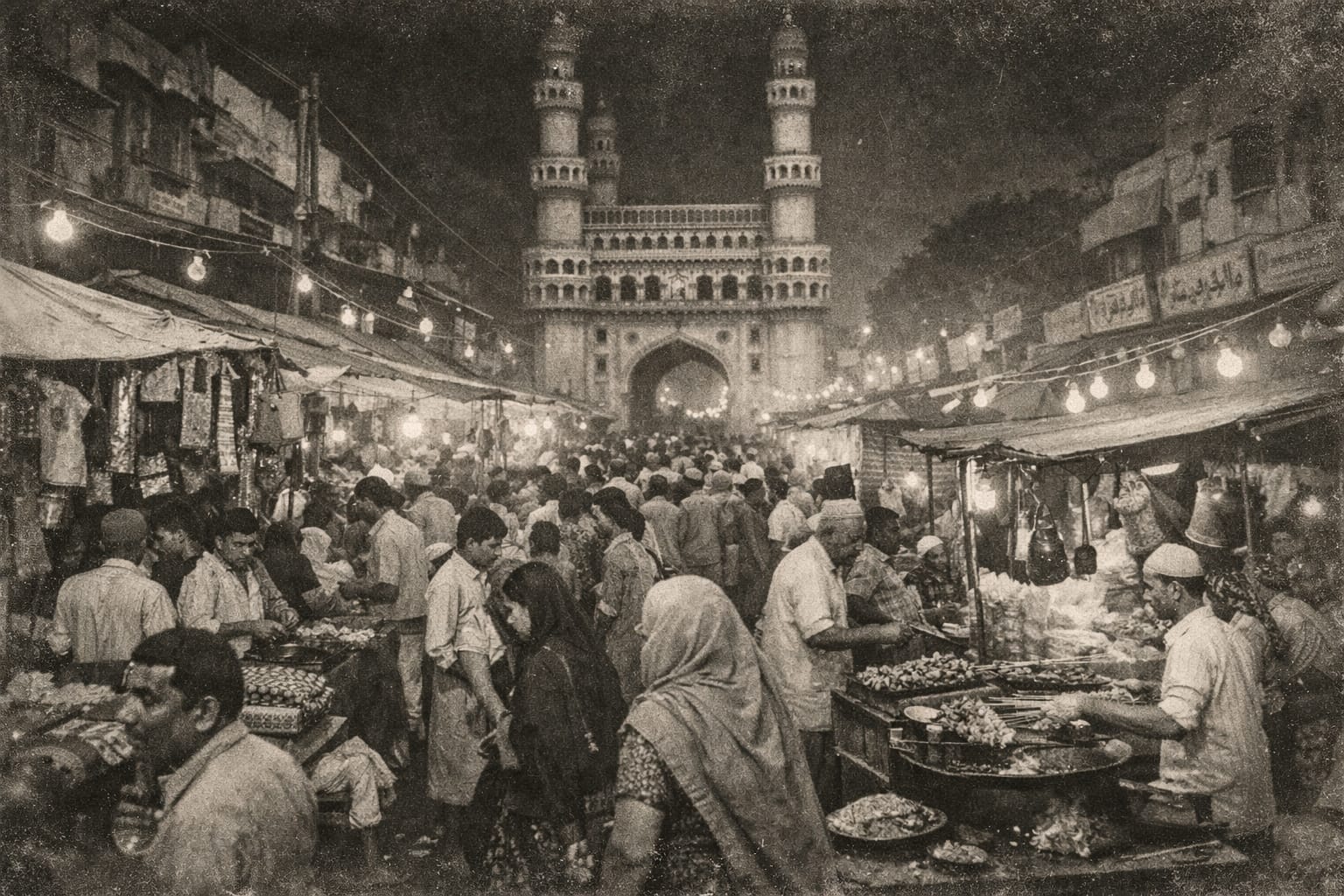
Half a century ago, and even until the early 1990s, Hyderabad’s Ramadan was known across India for its deep spirituality, devotion in worship, generosity through zakat and charity, and the vibrant shopping culture that would peak in the last ten days of the month.
The stretch from Pathar Gatti to Charminar would be closed to traffic, turning the area into a bustling pedestrian market. Families would stroll through the brightly lit bazaars late into the night, buying clothes, bangles, perfumes and other items for Eid.
After the 1990s, Hyderabad began expanding rapidly. The city’s boundaries grew and many Muslim families, NRIs in particular, moved into newly developing neighbourhoods. Areas such as Toli Chowki, Sun City, Yousufguda, Jubilee Hills and the surroundings of Hi-Tech City became new residential clusters.
With these developments, the spirit and vibrancy of Ramadan also spread beyond the Old City. Today, Ramadan nights in many of these areas resemble the festive atmosphere that once existed mainly around Charminar.
Shopping culture has also evolved significantly. Large malls and supermarkets have appeared in many parts of the city. At the same time, a vast network of restaurants has developed. During Ramadan these restaurants attract large crowds eager to enjoy traditional delicacies, especially the famous Hyderabadi haleem. According to estimates, haleem worth several hundred crores of rupees is sold in Hyderabad during the holy month.
Food culture during Ramadan has also become far more diverse. Along with traditional Hyderabadi dishes, stalls and restaurants now offer Turkish, Arab, Afghan and other fusion foods. Temporary Ramadan markets have grown larger and more vibrant, with pop-up stalls selling Arab perfumes, abayas, premium dates, prayer mats and Islamic books, attracting visitors late into the night.
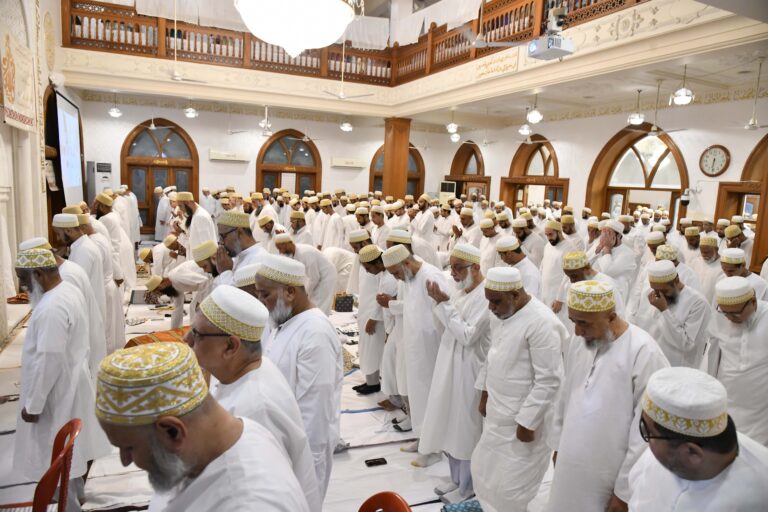
Over the past fifty years, the number of beautiful mosques in Hyderabad has increased considerably. Despite this, the large gatherings during Ramadan often require arrangements for Taraweeh prayers in function halls, parks and open grounds. In many places Sehri (pre-dawn meal) arrangements are also provided for worshippers.
In some parts of the city, more women are now attending mosques for Taraweeh prayers. At the same time, many women entrepreneurs are using social media and online platforms to sell homemade iftar items, desserts, abayas and Islamic products, turning Ramadan into an opportunity for small home-based businesses.
Charitable activity during Ramadan has also expanded greatly. Numerous NGOs work to distribute zakat, sadaqat and donations to deserving families. According to general estimates, zakat worth nearly ₹1,000 crore is distributed in Hyderabad during Ramadan every year.
Hyderabad’s reputation for generosity attracts representatives of religious institutions from across India who come to the city during Ramadan to collect donations. At the same time, it is also observed that organized groups bring beggars from different parts of the country during this period, with agents taking commissions from their collections.
Despite these concerns, there has also been a positive transformation. People today appear more conscious, more generous and more aware of the true spirit of Ramadan. Charity has found news ways of expression and is no longer limited to giving money through zakat and sadaqat.
Many organizations now help prisoners who remain in jail simply because they cannot afford bail. Others like Al Hamd Foundation arrange sehri and iftar for students living in hostels or studying far from their homes. Some NGOs like Vision Trust NRI Forum distribute dignified Eid clothing gift packs, while many like Sahayata Trust, Hyderabad Zakat and Charitable Trust, Ashraful Madaris provide ration kits to help families get through Ramadan with dignity. Healthcare organizations like Helping Hand Foundation are using Zakat and Sadaqah money to improve healthcare and access to healthcare to the deserving and impoverished people.
The nature of iftar itself has also changed. In the past, iftar was usually prepared at home and sent to the mosque to be shared with worshippers. Today it has increasingly become a technology-driven service. Through food delivery apps, people can order iftar or sehri online. This helps travellers, busy professionals, those attending patients in hospitals, or people who are unable to cook.
However, in recent years, iftar parties have sometimes turned into lavish social events where more attention is given to decorations and display than to the simplicity and spiritual reflection that Ramadan encourages.
Many old traditions of Hyderabad are also slowly fading. In earlier times, the nights of Ramadan were marked by the sound of sehri drummers walking through neighbourhoods before dawn, waking people for the pre-dawn meal. Today mobile phones and digital alarms have replaced this charming custom.
Among the many Ramadans remembered in Hyderabad’s history, the Ramadan during the Covid-19 pandemic remains unforgettable. For the first time in living memory, mosques were closed and Taraweeh prayers had to be offered at home. Many Muslims even performed their Eid prayers within their homes. It was an Eid without handshakes, without embraces and without the joyful gatherings that usually define the festival.
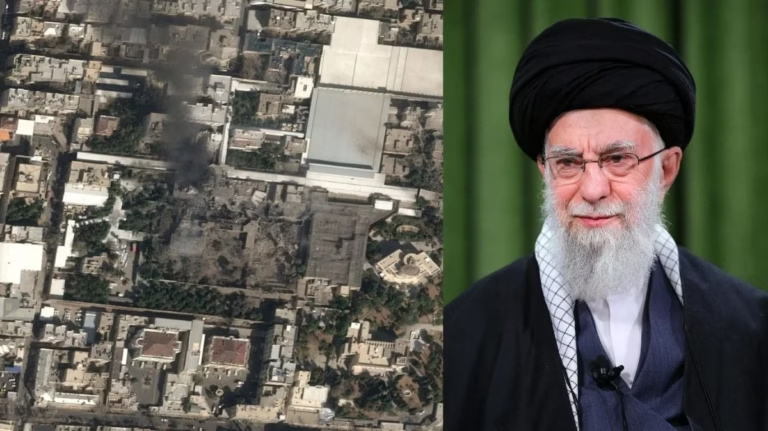
Ramadan 2026 will also be remembered for different reasons. Ongoing conflicts affecting the Middle East have deeply worried families in Hyderabad. This is because almost every household in the city has relatives working in the Gulf or other Muslim countries. When missiles and bombs fall thousands of miles away, hearts in Hyderabad feel the anxiety.
Technology has also changed the rhythm of Ramadan. In earlier times, nights were spent in recitation of the Qur’an, remembrance of Allah and quiet worship. Today, although devotion remains strong, many hours are increasingly spent scrolling through social media.
The Ramadan in Hyderabad may have changed over the past fifty years, but its spiritual heart still beats strongly. The city continues to reflect a unique blend of faith, generosity, culture and celebration that makes Ramadan in Hyderabad truly special.