From smart glasses and AI-powered pendants to brain-monitoring devices and insulin pumps, technology is finding its way onto almost every part of the human body.
A few years ago, wearable technology largely meant a fitness band counting your steps or a smartwatch displaying notifications. Today, that definition has changed dramatically. In 2026, technology can sit on your forehead, rest inside your ears, hang around your neck, wrap around your finger or be attached to your abdomen.
Some devices monitor sleep and heart rate. Others record conversations, analyse brain-related signals, monitor glucose levels or deliver medication. The wearable revolution is no longer confined to the wrist. Here is a head-to-toe look at the devices and companies shaping this emerging market.
Head: A wearable that monitors the brain
One of the most unusual wearable technology developments to emerge from India is Temple, associated with Zomato founder Deepinder Goyal. Designed to be worn near the temple, the device uses optical sensors and its BrainFlow technology to monitor signals associated with cerebral blood flow and brain oxygenation. It also generates an Entropy score intended to indicate physiological strain.
Temple opened pre-orders in India on November 1, 2026. The first-batch price has been reported at ₹85,000, including lifetime access to its software platform. Buyers should check the company’s current terms and delivery estimates before ordering. Temple is positioned for wellness and research, not as a medical diagnostic device.
Eyes: Smart glasses are becoming mainstream

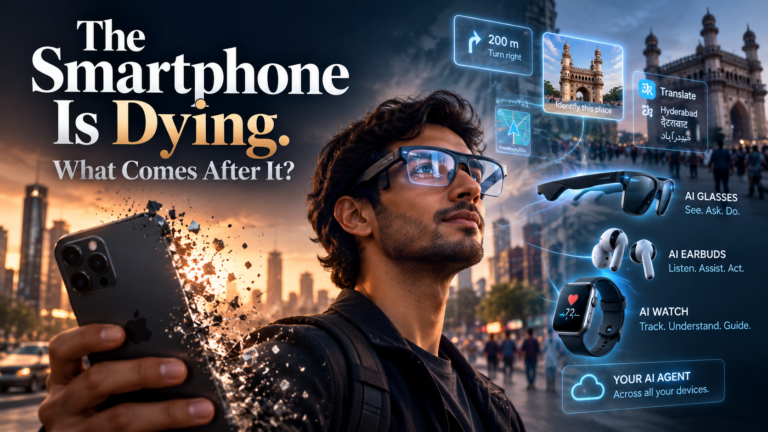
Smart glasses are arguably the most visible development in wearable technology. Ray-Ban Meta combines familiar eyewear with cameras, microphones, speakers and artificial intelligence. Users can capture photographs and videos, listen to music, make calls and interact with Meta AI without constantly reaching for their phones.
Ray-Ban Meta Gen 3 arrived in India on October 1, 2026, with prices starting at ₹44,300, according to Meta. Meta also offers the sportier Oakley Meta range. Other companies exploring this space include XREAL, Even Realities, Rokid, Xiaomi and Snap, while Google and Samsung are developing the Android XR ecosystem.
Ears: More than just music
Wireless earbuds have evolved into sophisticated personal technology devices. Apart from music and calls, newer models offer active noise cancellation, hearing assistance, health monitoring and AI-powered translation. Apple’s AirPods Pro 3, Samsung Galaxy Buds, Sony WF series, Nothing Ear, Jabra, boAt and Noise represent different segments of this expanding market. Features vary significantly by model and region.
Neck: Artificial intelligence you can wear
AI-powered pendants and lockets are designed to capture conversations, generate transcripts, prepare summaries and turn spoken information into searchable notes. Products and services in this category include Plaud NotePin, Omi and Bee. They can be useful for professionals who attend meetings, conduct interviews or need to remember conversations.
Amazon acquired Bee, while Meta acquired Limitless. Limitless has stopped selling its pendant to new customers following the acquisition. Another product, Friend, explores the idea of an AI companion. These devices also raise important questions about privacy, consent and recording conversations involving people who may not know they are being recorded.
Wrist: The smartwatch continues to evolve
Smartwatches remain the most established category of wearable technology. Apple Watch, Samsung Galaxy Watch, Google Pixel Watch, Garmin, Fitbit and Amazfit offer varying combinations of heart-rate monitoring, sleep tracking, activity measurement, ECG, fall detection and other health features. In India, Noise, boAt and Fire-Boltt have made smartwatches accessible to a wider audience.
Screenless fitness bands are another growing category. Rather than displaying notifications, they concentrate on monitoring recovery, sleep, exercise and physical strain. Whoop is a prominent example, while Fitbit Charge, Xiaomi Smart Band and Amazfit Band offer alternatives.
Finger: The rise of smart rings
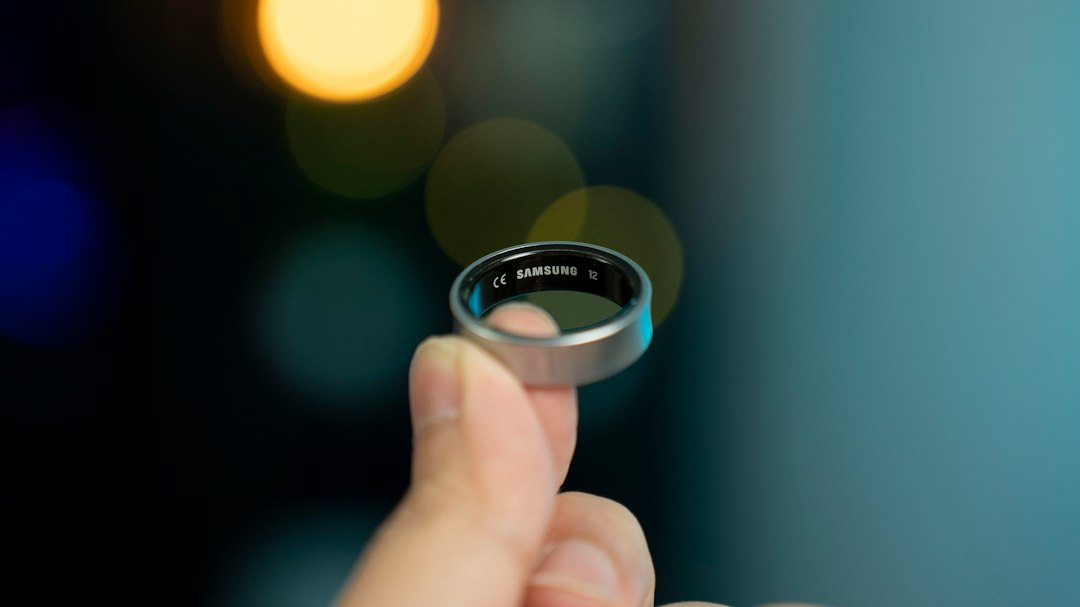
Smart rings are attracting people who want health tracking without wearing a conventional smartwatch. Oura Ring, Samsung Galaxy Ring, Ultrahuman Ring, RingConn and Amazfit Helio use miniature sensors to monitor indicators associated with sleep, heart rate, temperature, activity and recovery. Their appeal lies in their unobtrusive design and ability to collect information throughout the day and night.
Arm: Glucose monitoring without repeated finger pricks
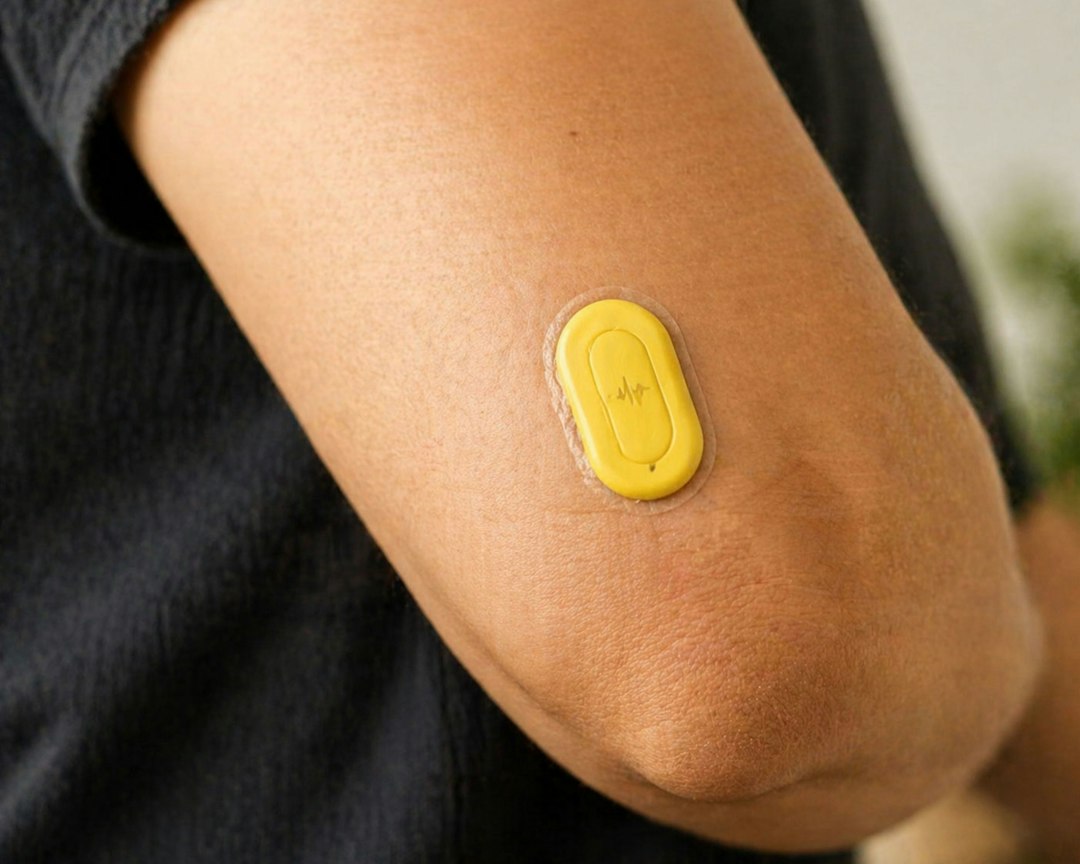
Continuous glucose monitoring has transformed diabetes management. Small sensors attached to the skin measure glucose levels in the fluid beneath the skin and transmit readings to a smartphone or receiver. Leading systems include Abbott FreeStyle Libre, Dexcom G7 and Medtronic continuous glucose monitoring devices. Eversense uses an implantable sensor placed beneath the skin.
Ultrahuman has also entered the glucose-monitoring market with products aimed at metabolic health and wellness. These devices can help users understand glucose patterns, but medical decisions should be made with qualified healthcare professionals.
Belly: Insulin pumps that deliver medication
For people living with diabetes, wearable technology can go beyond monitoring and deliver medication. Insulin pumps are small devices worn on the body that administer insulin throughout the day. Some use thin tubes, while tubeless systems such as Omnipod attach directly to the skin.
Other manufacturers include Tandem, Medtronic MiniMed, Ypsomed and Dana. When connected to compatible glucose monitors, some systems can adjust insulin delivery automatically within prescribed safety limits. These systems require clinical guidance and training.
Not every wearable is a watch or ring
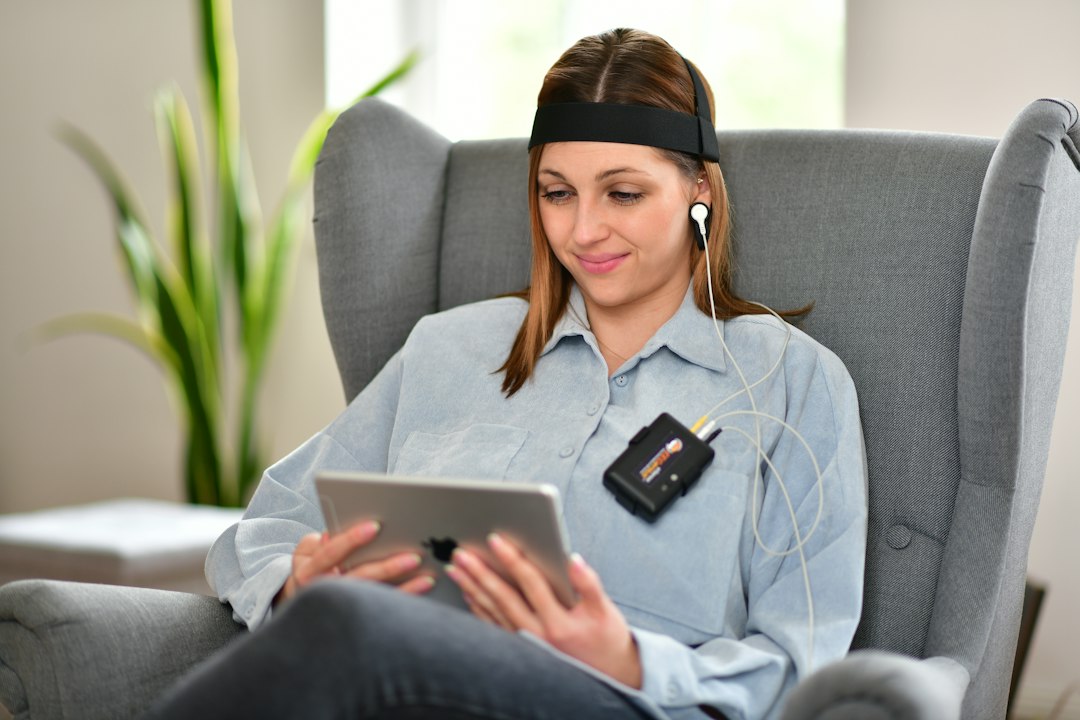
The category also includes brain-sensing headbands such as Muse and Elemind; sensor-enabled clothing from companies such as Hexoskin and Sensoria; smart insoles and socks from Digitsole, Orpyx and Sensoria; blood-pressure wearables such as Aktiia and Omron HeartGuide; and adhesive heart-monitoring patches such as Zio and Bardy.
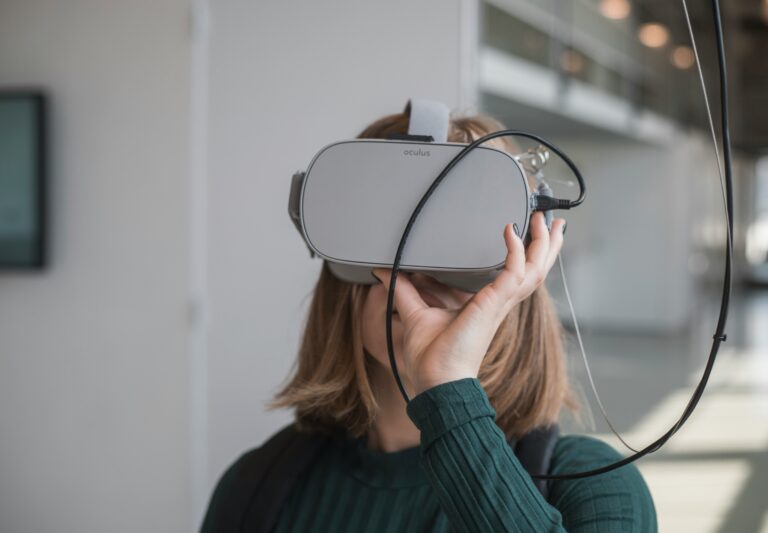
Safety pendants and GPS trackers are used for children, older adults and personal safety applications. Exoskeletons developed by Ekso Bionics, ReWalk Robotics and Wandercraft can assist mobility or rehabilitation. Mixed-reality headsets such as Apple Vision Pro, Meta Quest and Samsung Galaxy XR are extending wearable computing into entertainment, training, education and professional work. Smart contact lenses remain largely experimental rather than mainstream consumer products.
Not every wearable becomes a success
The wearable market is also a reminder that technological novelty does not guarantee commercial success. The Humane AI Pin, an ambitious screenless AI device designed to replace some smartphone functions, generated enormous interest when it launched. Its consumer service was discontinued in 2025. The episode showed that wearable devices need to offer genuine everyday value, reliability and a compelling user experience.
Who owns your body’s data?
As wearable technology becomes more sophisticated, the amount of personal information being collected is also increasing. A smartwatch may know when you sleep. A smart ring may track changes in your body. A glucose sensor may record metabolic patterns. An AI pendant may contain transcripts of your conversations.
Together, these devices create an increasingly detailed digital picture of an individual. This raises questions about data ownership, consent, cybersecurity, storage and commercial use. Who controls this information? How long is it retained? Can it be shared with third parties? And what happens if sensitive health or personal information falls into the wrong hands?
There is also a distinction between a consumer wellness gadget and a medically validated device. Not every sensor reading should be treated as a diagnosis, and medical wearables should be used in accordance with professional guidance.
The next phase of personal technology may not be about carrying a more powerful smartphone. It may be about having technology seamlessly integrated into everyday life. From the forehead to the fingertips, our bodies are becoming connected platforms.
The question is no longer whether we will wear technology. It is how much of our lives we are willing to connect to it.
Image credits: Unsplash contributors credited in captions. Product features, availability and prices can change; readers should check manufacturers’ current specifications and local availability.