Smartwatches and fitness bands are only the beginning. From brain-sensing headbands and sensor-enabled shirts to robotic exoskeletons, these eight lesser-known wearables show how far body-worn technology has evolved.
When people talk about wearable technology, they usually mean a smartwatch, fitness band or pair of smart glasses. But a growing range of devices is being designed for parts of the body and needs that most consumers rarely think about. Some help clinicians monitor patients; others explore sleep, movement, safety and immersive computing.
Here are eight wearable technologies worth knowing about.
1. Mixed-reality headsets: A computer on your face
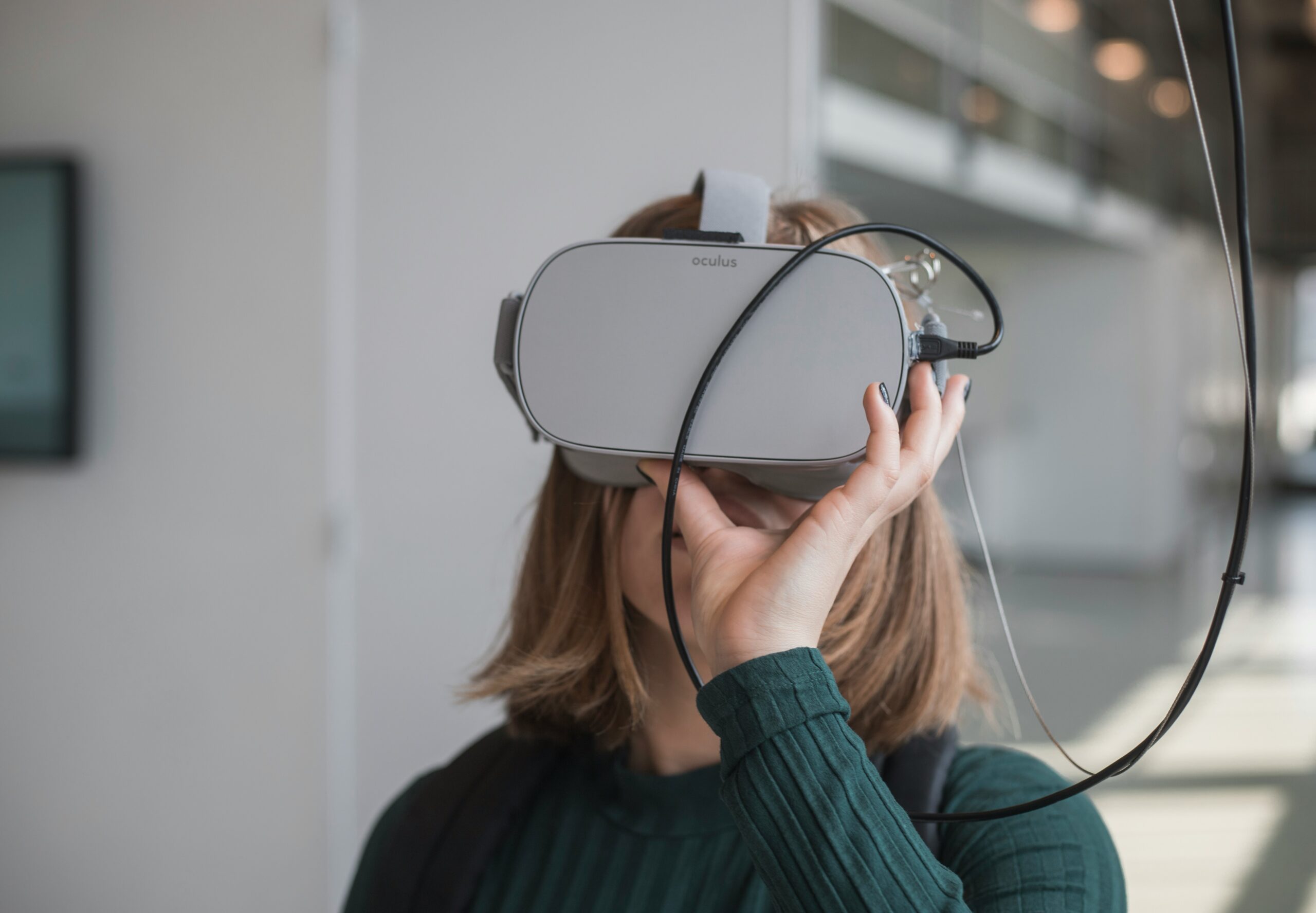
Apple Vision Pro, Meta Quest and Samsung Galaxy XR put digital environments directly in front of the user’s eyes. These headsets are being explored for gaming, design, virtual meetings, education, simulation and professional training. They are bulkier than ordinary glasses, but they show what happens when a computer becomes something worn rather than carried.
2. Brain-sensing headbands: Wearable EEG
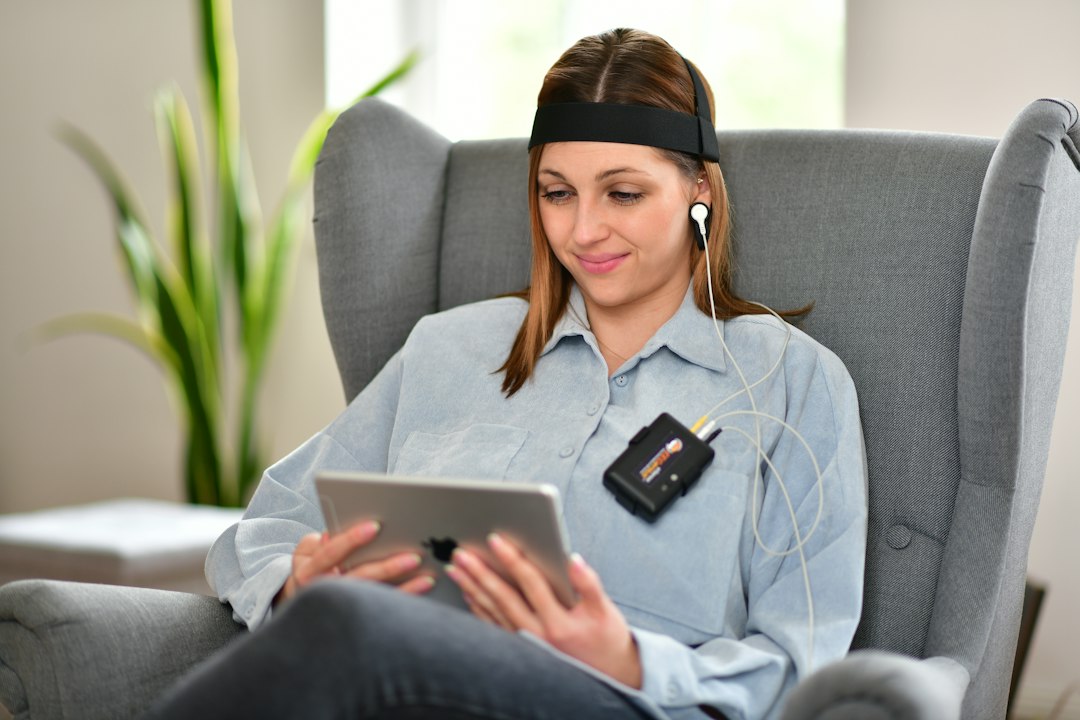
Devices such as Muse and Elemind use electroencephalography (EEG) sensors to detect patterns of electrical activity at the scalp. Depending on the product, the data can be used in guided meditation, relaxation and sleep-related experiences. These headbands do not read thoughts; they measure signals that can be interpreted for specific applications.
3. Smart clothing: When your shirt becomes a sensor
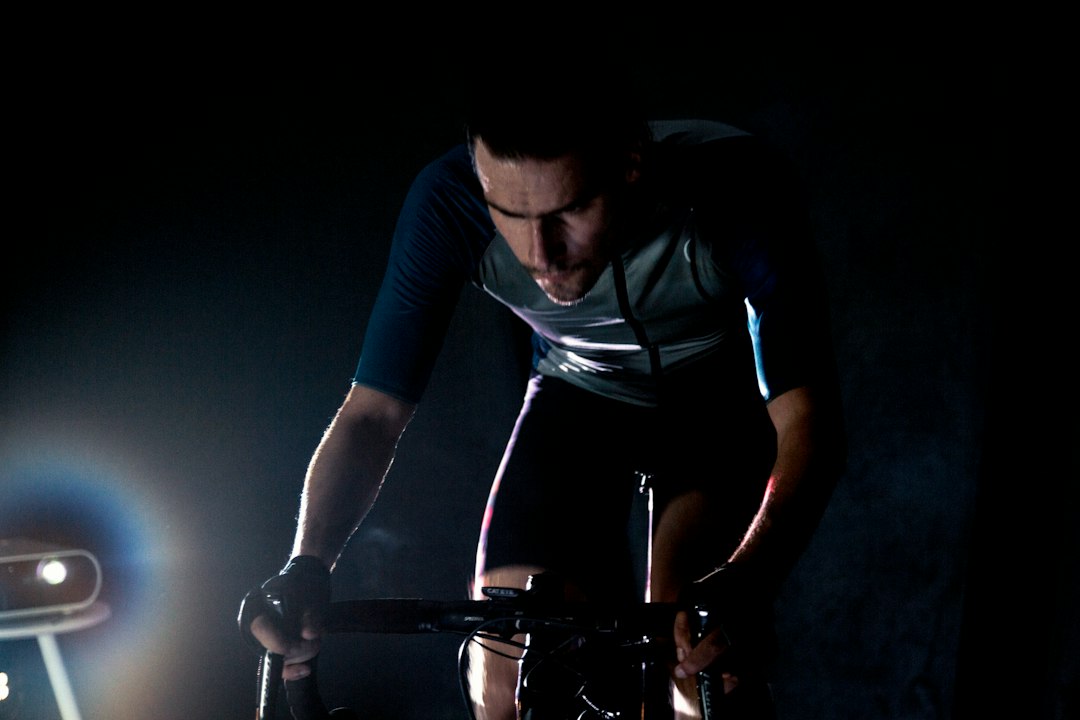
Smart clothing integrates sensors into garments or uses connected modules to track body movement and physiological signals. Hexoskin and Sensoria are among the names associated with sensor-enabled clothing. Depending on the garment, measurements can include heart rate, breathing, posture and activity. The technology is of interest to athletes, researchers and healthcare professionals.
4. Smart insoles and socks: Technology under your feet
Smart insoles and sensor-equipped socks are designed to analyse how a person stands, walks or runs. Products associated with Digitsole, Orpyx and Sensoria explore pressure distribution, gait and movement patterns. Some specialised systems are used in monitoring foot pressure for people at risk of diabetic foot complications. They are a reminder that wearable technology does not need a screen to be useful.
5. Blood-pressure wearables: Monitoring beyond the clinic
Devices such as Aktiia and Omron HeartGuide explore blood-pressure monitoring in wearable formats. Some smartwatch models also offer blood-pressure-related features in selected markets. These technologies have different methods and limitations: some require calibration with a conventional cuff, and availability varies by country. They should not automatically be treated as replacements for validated clinical measurements.
6. Heart-monitoring patches: A small sticker, days of data
Adhesive cardiac monitors such as Zio and Bardy devices can record heart activity over an extended period. A clinician may recommend this kind of monitoring when an irregular heartbeat is difficult to capture during a short ECG test. The patch is discreet, but the information it collects can help doctors investigate symptoms such as palpitations or unexplained fainting.
7. Exoskeletons: Wearable robots that help people move
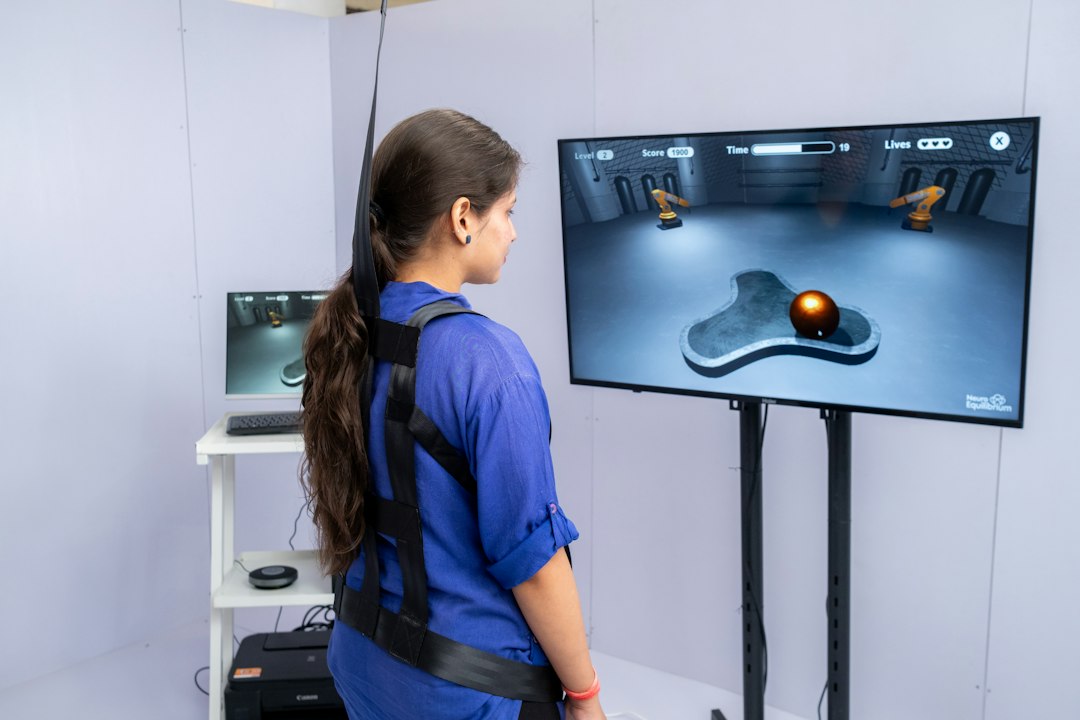
Robotic exoskeletons are among the most striking examples of wearable engineering. Companies including Ekso Bionics, ReWalk Robotics and Wandercraft develop systems designed to support mobility, rehabilitation or specific clinical applications. They are not ordinary consumer gadgets: many are specialised systems used under professional supervision, and their capabilities differ by model.
8. Smart contact lenses: The next frontier is still experimental
Researchers and technology companies have explored contact lenses that could potentially display information, measure selected biomarkers or connect with augmented-reality systems. But smart contact lenses remain a research and development field, not a mainstream product category. Eye safety, power, miniaturisation and regulatory approval remain major challenges.
Not every wearable makes it
The Humane AI Pin is a useful reminder that the future of wearables is not guaranteed. The screenless AI device attracted attention as a possible alternative to the smartphone, but its consumer service was discontinued in 2025. A clever concept still needs dependable performance, a clear use case and a reason for people to wear it every day.
What would you actually wear?
From a shirt that tracks breathing to a patch that records heart activity, the next generation of wearables is moving into areas once reserved for specialist equipment. Some of these devices are already used in healthcare and rehabilitation; others remain experimental or niche products.
The most important question is not how futuristic a wearable looks, but whether it solves a real problem safely, reliably and without collecting more personal information than necessary.
Which of these eight technologies surprised you the most?
Image credits: Unsplash contributors credited in captions. Product capabilities, medical use and regional availability vary; consult manufacturers and qualified professionals for current information.