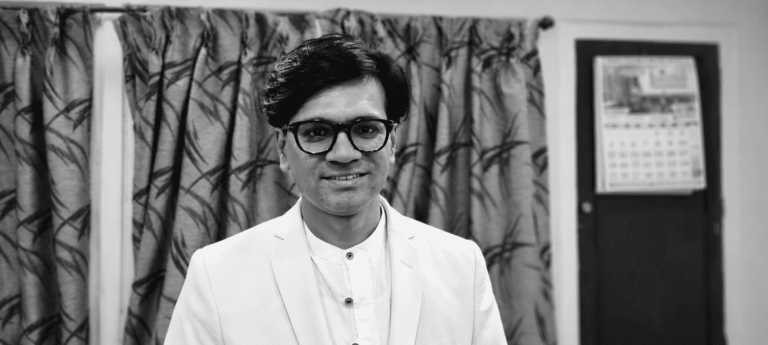
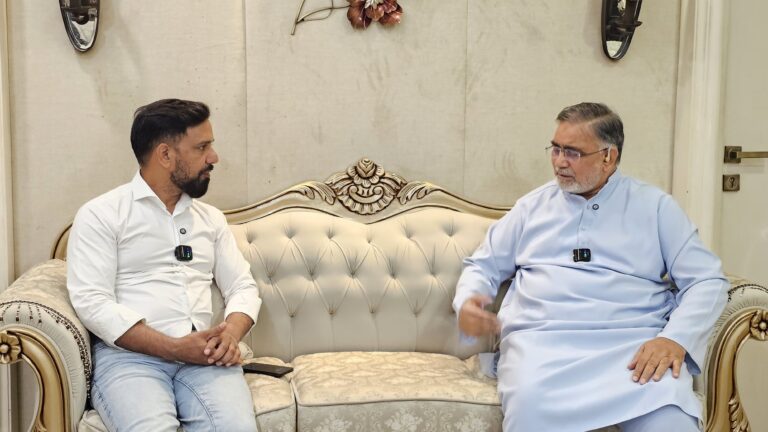
For Mohammed Zubair, the story behind Alt News began not in a newsroom, but in the changing atmosphere of his own online friendships. Speaking on the GAWAH Podcast, Zubair reflected on how the political climate that took shape around 2014 affected personal relationships, online communities and the way people spoke about religion and politics.
Zubair recalled that people he had joked with, worked alongside and known online for years began communicating differently. According to his account, some who had previously shown little interest in hard-line ideology started sharing communal messages and anti-Muslim rhetoric.
When he challenged posts or pointed out that claims appeared false, he said the response was often hostility rather than discussion. Friendships that had developed over years became strained as political arguments increasingly shaped personal interactions.
From personal frustration to fact-checking
That experience helped set Zubair on the path that eventually led to Alt News, the fact-checking organisation he co-founded with Pratik Sinha. Zubair described initially using satire pages as an outlet while watching his social media feeds fill with inflammatory claims. As he examined viral posts more closely, he increasingly encountered material that required research and verification.
Over time, that interest in identifying false and misleading claims developed into a more systematic approach to fact-checking. What began as a response to the hostility he was witnessing online became part of a wider effort to scrutinise viral content and examine claims circulating in public debate.
When politics enters personal relationships
Zubair’s account points to a wider question about political polarisation: what happens when political identity begins to determine how friends, colleagues and communities treat one another? Social media can help people stay connected, but it can also amplify divisive messages, circulate misleading content at speed and turn disagreement into personal antagonism.
The consequences are not limited to public arguments. People may find themselves reconsidering long-standing relationships, withdrawing from online spaces or feeling compelled to respond when false or communal claims are shared by people they know.
For Zubair, the motivation to challenge misinformation was therefore personal as well as journalistic. His experience illustrates how the spread of misleading narratives can affect trust within a social circle, while also showing how those experiences can lead people towards verification and accountability.
Watch Mohammed Zubair on the GAWAH Podcast
In this conversation, Zubair reflects on the personal experiences and broader media environment that shaped his work. Watch the full episode below.
Written by Syed Khaled Shahbaaz