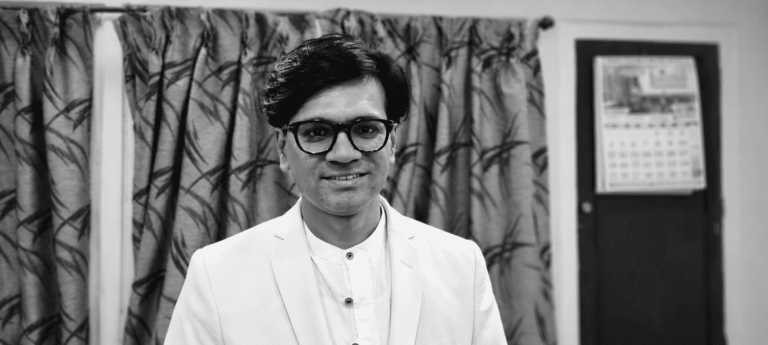
After a difficult stretch marked by public hostility, legal pressure and concerns about audience engagement, Mohammed Zubair says seeing young people take up independent fact-checking helped renew his sense of purpose. Speaking on the GAWAH Podcast, Zubair reflected on a period when the work of challenging misinformation felt increasingly difficult and the impact of fact-checking seemed uncertain.
He described a six-month phase in which the team felt defeated, questioning whether long hours spent examining misleading claims were making a difference. The experience, as recounted in the conversation, highlighted the emotional and operational strain that can accompany sustained efforts to counter misinformation.
A new generation takes on misinformation
Zubair identified the emergence of young content creators and independent journalists as an encouraging development. Rather than relying only on established media organisations, some young people have begun investigating viral claims and explaining their findings directly to online audiences.
Digital tools can make parts of this work more accessible. Reverse image searches can help trace the earlier appearance of a photograph, while open-source intelligence techniques can help researchers examine publicly available information. Short-form video can then make the findings easier to understand and share.
Platforms such as Instagram and X give creators ways to reach audiences quickly. The same speed, however, makes careful verification important: a viral post is not necessarily accurate, and a convincing video is not a substitute for checking original sources and context.
Why independent verification matters
For fact-checkers, the challenge is not simply identifying a false claim. It also involves showing audiences how a claim was assessed, distinguishing evidence from speculation and correcting errors transparently. These practices matter whether the work is produced by a newsroom, an established fact-checking organisation or an individual creator.
The participation of younger people can bring new formats and ways of communicating with digital audiences. But effective fact-checking still depends on sound methods, reliable evidence and a willingness to revise conclusions when the facts require it.
Passing the torch to younger journalists
Zubair’s reflections point to a wider lesson about the future of misinformation research. The work can be exhausting, particularly when corrections struggle to travel as far as the original falsehood. Seeing new creators investigate claims and explain their findings can offer encouragement to people who have been doing this work for years.
The next generation does not replace the need for professional journalism or established fact-checking organisations. It can, however, broaden the number of people scrutinising viral content and help make verification part of everyday digital life.
Watch Mohammed Zubair on the GAWAH Podcast
Watch the full conversation with Mohammed Zubair on the GAWAH Podcast below.
Written by Syed Khaled Shahbaaz