NEW DELHI: India has raised the levy on petrol exports and reduced the levy on diesel exports, with the revised rates taking effect on October 16, according to a government order reported by Reuters.
The petrol export levy has increased to ₹2.50 per litre from ₹0.50 per litre. The levy on diesel exports has been reduced to ₹8.50 per litre from ₹16 per litre.
What changed?
- Petrol exports: the levy rises by ₹2 per litre, from ₹0.50 to ₹2.50.
- Diesel exports: the levy falls by ₹7.50 per litre, from ₹16 to ₹8.50.
- Effective date: October 16, 2026.
The measures are part of the export-levy framework India reintroduced in March 2026 amid volatility in global crude-oil markets. Rates are reviewed periodically, according to Reuters’ report on the latest government order.
Will petrol and diesel become more expensive at the pump?
Not automatically. These levies apply to fuel exports. They are not, by themselves, an announcement that petrol or diesel sold to motorists in India will rise or fall by the same amount.
Retail pump prices are a separate matter and can vary by city and state. Motorists should check the latest rate announced by their fuel retailer for their location rather than treating a change in export duties as a direct change to the price paid at the pump.
The Petroleum Planning and Analysis Cell (PPAC), a government body, lists retail selling prices separately from export-duty information. Its website listed Delhi retail prices of ₹102.12 per litre for petrol and ₹95.20 for diesel on October 15. Those are Delhi figures and should not be applied to Hyderabad or other cities.
Why change export levies?
Export levies can be adjusted to influence the economics of shipping refined fuel overseas and to help safeguard domestic availability during periods of disruption or sharp movements in international prices. The impact on refiners depends on market conditions, export volumes and the cost of crude oil and other inputs; the revised rates alone do not establish how individual companies will respond.
India previously introduced export levies on petrol, diesel and aviation turbine fuel in 2022, withdrew them in 2024 and reintroduced the framework in 2026 amid renewed global energy-market pressures.
What should consumers watch next?
For consumers, the most useful indicators are the retail price announced for their own city and any separate government notification affecting domestic fuel taxes. The export-levy change should not be read as confirmation of an immediate nationwide pump-price increase.
Sources: Reuters report on the October 15 government order; Petroleum Planning & Analysis Cell (PPAC), Government of India; Press Information Bureau background on export levies.
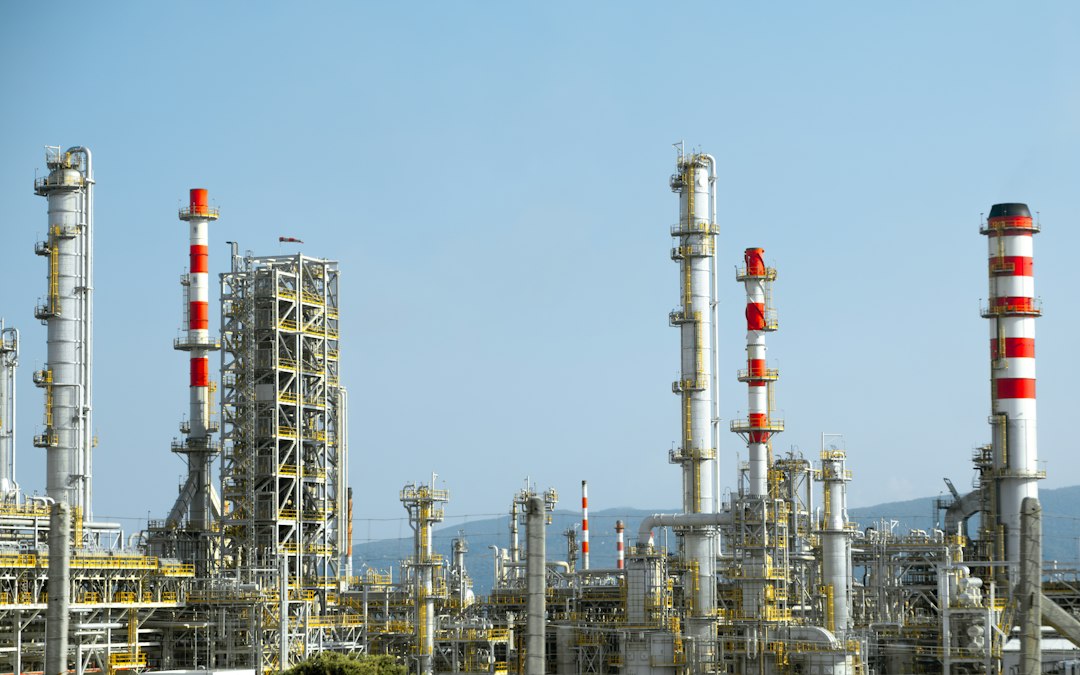
Image note: The featured refinery photograph is illustrative.