New Delhi, October 6, 2026: Rahul Gandhi and other Opposition lawmakers were briefly detained by Delhi Police on Tuesday during a protest demanding the resignation of Chief Election Commissioner Gyanesh Kumar. The confrontation is the latest escalation in a wider dispute over the Election Commission’s revision of electoral rolls and a disputed declaration linked to Form 6, the application used by citizens seeking inclusion in the electoral roll.
Latest update: What happened today?
Opposition lawmakers led by Gandhi marched from Parliament towards the Election Commission headquarters in New Delhi. Police stopped the march at barricades and detained several lawmakers after a sit-in. The protesters are demanding greater transparency in the voter-roll revision process and the resignation of the Chief Election Commissioner. The Election Commission has rejected allegations of wrongdoing and defended the revision exercise.
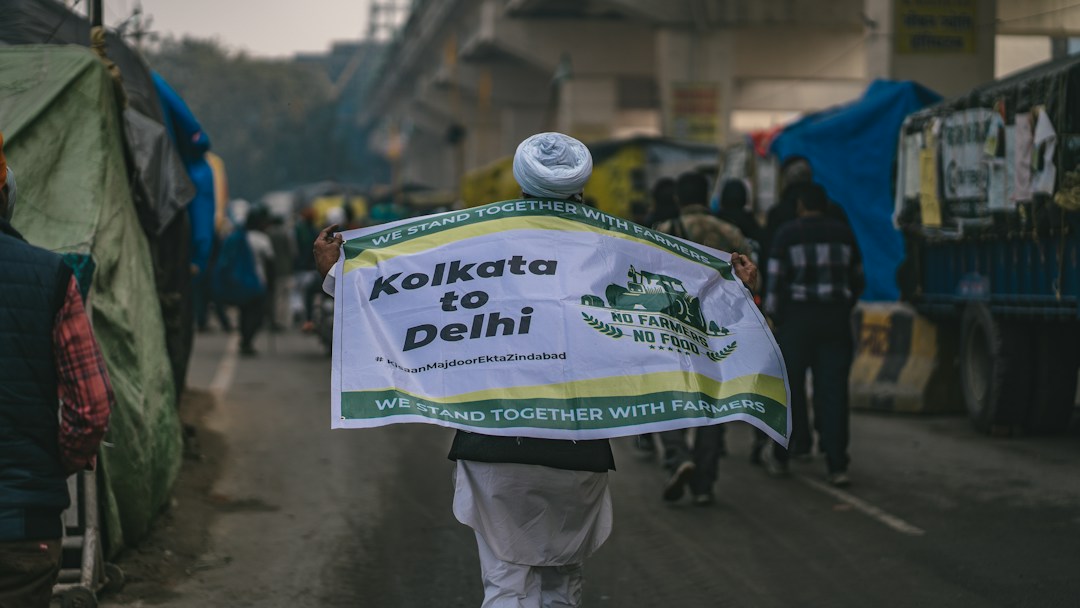
Illustrative image. Photo by Rupinder Singh via Unsplash.
Why is Rahul Gandhi protesting against the Election Commission?
The Opposition says recent changes and revisions to electoral rolls have raised serious questions about whether eligible voters could be excluded and whether the process is sufficiently transparent. Congress and other Opposition parties have accused the Election Commission of acting in a way that could benefit the Bharatiya Janata Party, an allegation rejected by the Election Commission and the BJP.
The immediate trigger is the Special Intensive Revision (SIR) of electoral rolls and a related dispute over the online Form 6 process.
What is the voter-list controversy?
At the centre of the dispute is the Special Intensive Revision (SIR) of electoral rolls. The Election Commission says the exercise is intended to ensure that eligible citizens are included while removing duplicate, deceased or otherwise ineligible entries.
Opposition parties and critics argue that documentation and verification requirements could make it harder for some legitimate voters to remain on the rolls. The Election Commission says the process is designed to improve the accuracy and integrity of electoral rolls.
What is SIR?
SIR stands for Special Intensive Revision of electoral rolls. It is a detailed exercise to verify and update voter lists. The political dispute is not over whether voter rolls should be accurate, but over how the revision is being conducted and whether eligible voters can be excluded during the process.
What is Form 6 and why has it become controversial?
Form 6 is used by citizens applying for inclusion in the electoral roll. The latest dispute concerns an additional declaration that appeared alongside the online form during the SIR exercise.
The Supreme Court said on October 5 that it had not approved any modified version of Form 6 and said it would examine Election Commission records concerning the disputed changes. The Election Commission has maintained that Form 6 itself was not modified and that an additional declaration was introduced as part of the SIR documentation framework.
How many voters have been affected by SIR?
The scale of the exercise is one reason the controversy has become politically important. More than 13 crore names have been reported as dropped from draft electoral rolls during the nationwide SIR exercise. The Election Commission has also directed officials to conduct a special drive to enrol eligible voters who may have been left out.
What does the Election Commission say?
The Election Commission rejects the Opposition’s allegation that the voter-roll revision is politically designed to help the BJP. It says SIR is intended to protect electoral-roll integrity and that procedures exist for eligible voters to be added or restored when they have been omitted.
What does the Opposition say?
The Opposition argues that changes to voter rolls can affect the basic right to participate in elections. It has demanded greater transparency, challenged the Election Commission’s handling of the process and called for Gyanesh Kumar to resign.
Why does this matter to ordinary voters?
Because a voter cannot cast a ballot simply by possessing a voter ID. The practical issue is straightforward: your name must appear correctly in the electoral roll.
Every voter should therefore verify their name and details before an election and use official Election Commission channels if something is missing or incorrect.
How can you check your name in the voter list?
Voters can use the Election Commission’s voter-services portal to search their name in the electoral roll, check polling-station information and access voter-related services. The ECI also provides the voter helpline number 1950.
Has the Election Commission been proven to have manipulated the voter list?
No. That distinction matters. The Opposition has made serious allegations, while the Election Commission and BJP have rejected them. The dispute over the voter-roll process and Form 6 remains under political and legal scrutiny; that is different from a finding that the Election Commission has been proven to manipulate elections.
The bigger question: can voters trust the electoral roll?
The immediate political confrontation is about Rahul Gandhi, Gyanesh Kumar and the Election Commission. But the larger issue is bigger than any one party.
An electoral roll is the foundation on which an election is built. Cleaning it is necessary; protecting every eligible voter’s right to remain on it is equally important. The credibility of the process therefore depends not only on the final list, but also on whether voters, political parties and the courts can understand how changes were made.
What happens next?
The political protests are likely to continue, while the legal scrutiny of the Form 6 issue could provide further clarity. For voters, the most useful immediate step is practical: check your name and details in the electoral roll and use the official ECI channels if something is missing or incorrect.
Bottom line: Rahul Gandhi’s protest is part of a larger fight over the transparency and credibility of India’s voter-list revision process. The allegations remain contested; the Election Commission rejects them; and important procedural questions are still being examined.
Sources and further reading
- Reuters: Police detain Indian opposition leader Rahul Gandhi at poll chief protest
- The Indian Express: Supreme Court seeks ECI records on Form 6 change
- Akashvani: Supreme Court clarifies it did not approve changes to Form 6
- Election Commission of India: Voter Services Portal
- Election Commission of India: Electors and voter services