Google and NASA are testing an experimental AI-powered robot that could help astronauts handle equipment, routine logistics and selected medical-support tasks on future missions to the Moon and Mars. The system is designed for spacecraft where astronauts may not be able to get immediate help from Earth.
The project is still at the proof-of-concept stage. In an early laboratory demonstration, the robot used an AI model to locate and move a medical bag, achieving an initial success rate of 85%, according to Google. That result measures a specific object-handling task; it does not mean the machine can diagnose illnesses or treat astronauts independently.
Why astronauts may need a robotic assistant
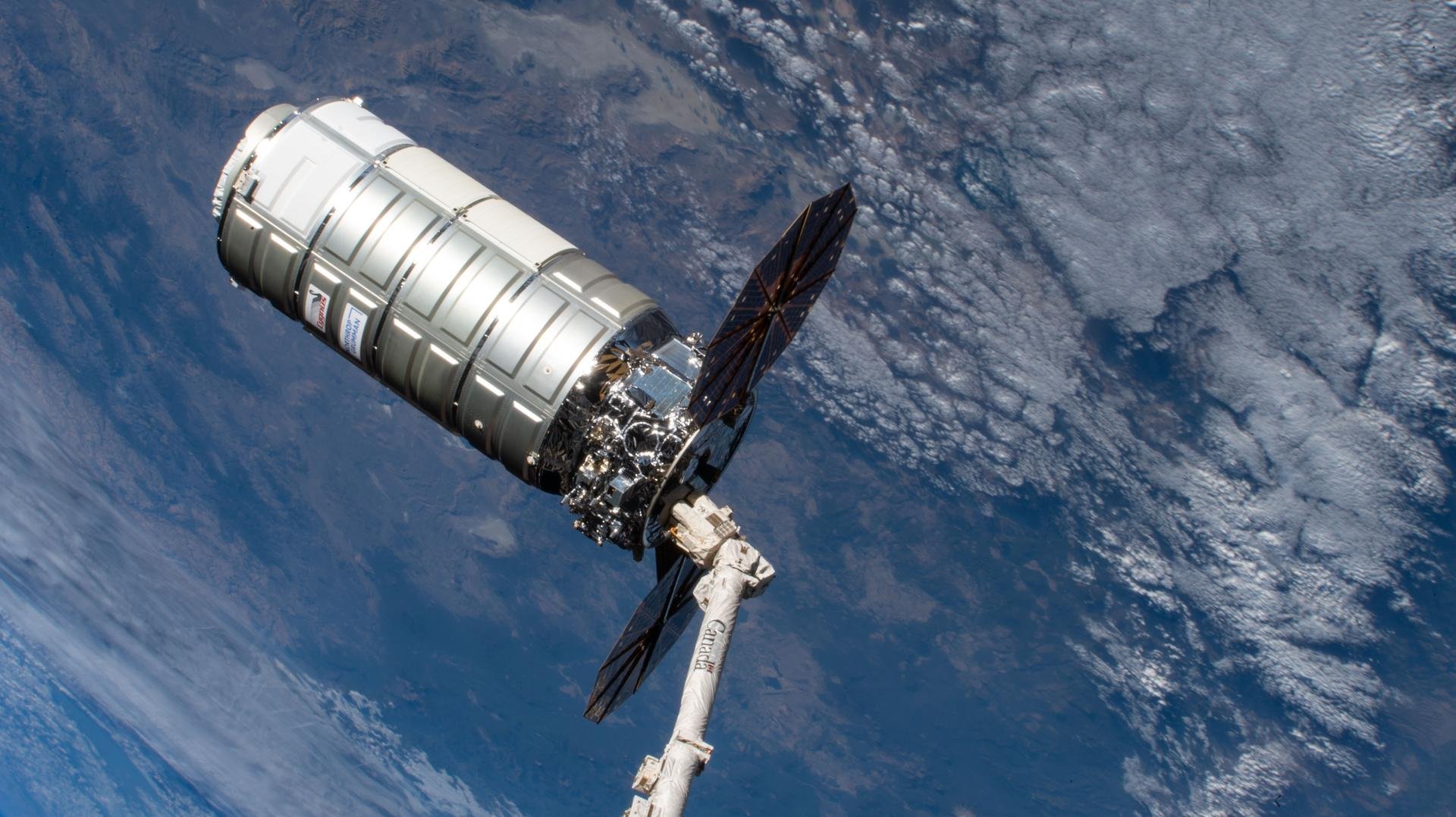
On a mission to Mars, communication with Earth can be slow. Depending on the positions of the two planets, a message and its reply could take as long as 44 minutes to complete a round trip. That delay makes it difficult for astronauts to rely on real-time instructions from doctors and mission controllers during an urgent situation.
Google says the new system is being developed with NASA’s Human Research Program, the Johnson Space Center Robotics Team and the Jet Propulsion Laboratory. Its role is not to replace the crew’s medical officer. Instead, it is intended to take on physical tasks so that astronauts can concentrate on decisions and work that require human judgement.
What could the AI robot actually do?
The machine is being developed as a flexible equipment and cargo handler. During ordinary operations, it could help organise tools, secure compartments, move supplies and support routine maintenance. If a crew member needed medical attention, it could retrieve and prepare equipment for the human medical officer.
Google gives the example of an astronaut experiencing severe back pain, which can be a symptom of kidney stones. The robot could fetch an ultrasound machine and prepare it for use, allowing the crew medical officer to focus on examining the scan and deciding what to do next. The example describes a possible future task, not a capability already demonstrated in a medical emergency.
How the AI system works
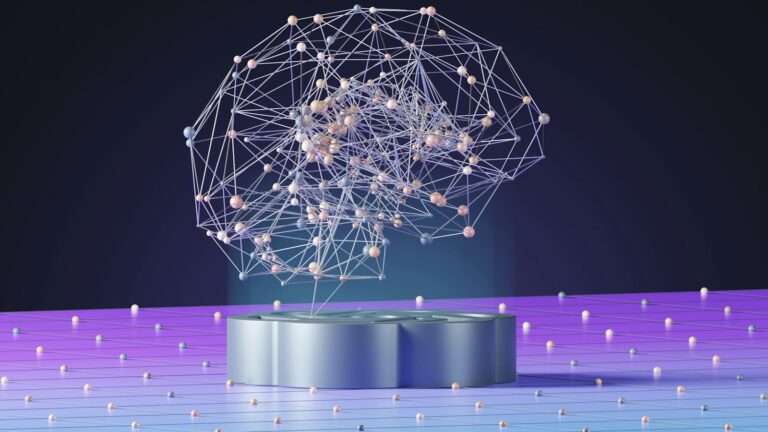
The project uses a vision-language-action model: a type of AI that connects what a system sees with instructions expressed in language and the physical actions it takes. Google says the team used the open-source Pi0 model, developed by Physical Intelligence, and tested the robot in a controlled facility at NASA’s Johnson Space Center.
For the early pick-and-place test, the robot had to locate a medical bag and move it. Google reported an initial 85% baseline success rate in those laboratory conditions. The team also used the MuJoCo physics simulator to practise movements virtually before testing them on physical hardware.
The model has four billion parameters. Google says it fine-tuned the model using Google Cloud G4 computing instances in about 2.5 hours, then demonstrated that the adjusted model could run locally on compact, energy-efficient edge devices. That matters because a spacecraft cannot depend on a constant connection to an Earth-based data centre.
A long way from an autonomous space doctor
There are important challenges before such a system could be used on a crewed mission. It must reliably recognise objects in changing environments, move safely around people in confined spaces, work within strict power and weight limits and withstand the conditions of spaceflight. Medical tasks would also need careful testing and clear human oversight.
Google says the longer-term aim is a system that astronauts can direct through simple voice instructions while retaining control over decisions. The team has evaluated around 15 edge-computing devices over the past two years as it looks for hardware that can run AI models with limited power and weight.
What this could mean for future Moon and Mars missions
Robotic assistants could help small crews manage the many practical jobs involved in living and working away from Earth. The immediate goal is not to send a robot doctor in place of a trained astronaut, but to give crew members a dependable extra pair of hands when time, communication and physical resources are limited.
For now, the Google-NASA project remains an experiment. Its 85% result is an encouraging starting point for one equipment-handling task, while much more work is needed before the technology could support astronauts during an actual deep-space mission.
Frequently asked questions
Can Google’s AI robot treat astronauts?
No. The experimental robot is being developed to retrieve and prepare equipment and assist with routine tasks. A human crew medical officer would remain responsible for interpreting medical information and making treatment decisions.
What does the 85% success rate mean?
Google reported an initial 85% baseline success rate in a laboratory test in which the robot had to locate and move a medical bag. It is not an overall accuracy score for medical diagnosis or treatment.
Why would astronauts need AI on a Mars mission?
Communication between Mars and Earth can involve round-trip delays of up to 44 minutes. Onboard AI and robotics could help astronauts carry out selected tasks without waiting for instructions from Earth, while keeping humans in charge of critical decisions.