The Reserve Bank of India has told Tata Sons to comply with the rules that apply to non-banking financial companies in the Upper Layer, explicitly including the requirement to list its shares, according to a communication reviewed by Reuters. The letter, dated November 16, brings the listing question back into focus ahead of a Tata Sons board meeting reported to be scheduled for November 26. It does not announce an IPO date, offer price or issue size.
The latest communication matters because Tata Sons has spent several years seeking to remain outside the regulatory category that carries a stock-market listing obligation. The RBI rejected the company’s request to surrender its registration as a Core Investment Company in September. Its November 16 letter now refers directly to listing, according to Reuters and subsequent reports by Indian financial newsrooms.
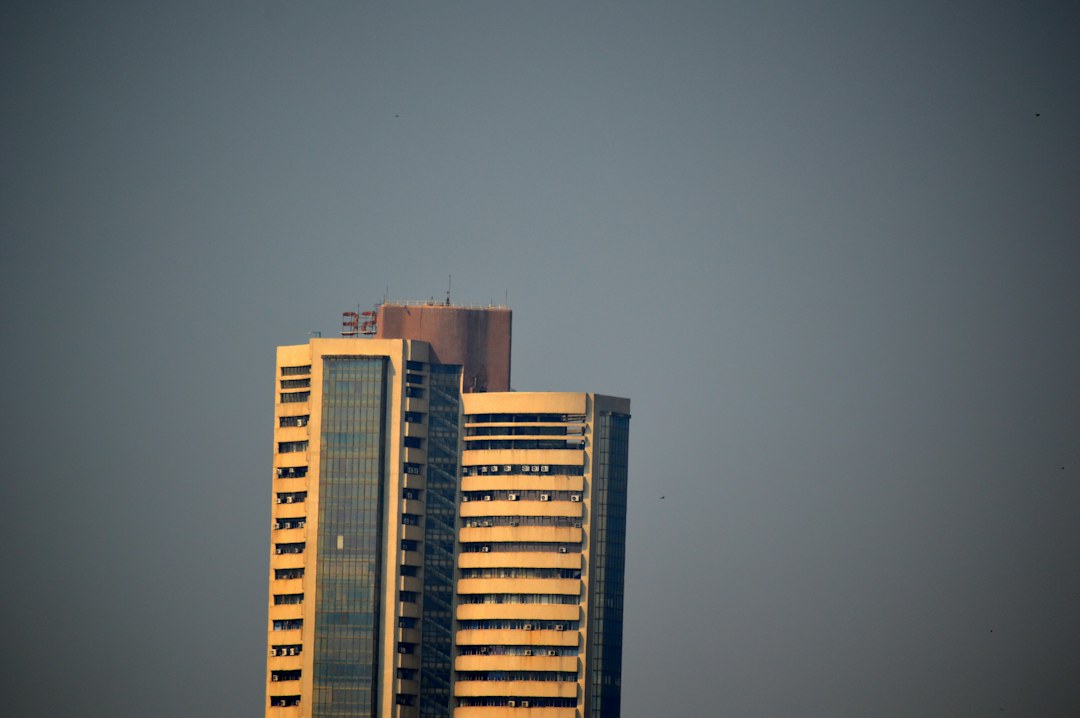
Representative image: Bombay Stock Exchange building, Mumbai. Photograph by Uday Sankar Yerramilli via Unsplash. The image is illustrative and is not Tata Sons’ headquarters.
What did the RBI tell Tata Sons on November 16?
In its communication to Tata Sons, the central bank advised the company to comply with all applicable regulations, guidelines and directions for Upper Layer NBFCs, including the requirement of listing. Reuters reported that it had reviewed the communication. Business Standard, Hindustan Times and The Indian Express also reported the regulator’s position.
The letter followed a request from Tata Sons seeking guidance on the rules that apply to large non-bank lenders. The RBI said the company had not identified a specific regulation for clarification and indicated that its query appeared to relate to the board’s discussions on listing.
The distinction is important: the November 16 communication reiterates the listing requirement, but does not itself set a fresh deadline or announce that an initial public offering will open on a particular date. No public offer document, price band or issue timetable was identified in the material reviewed for this report.
The full November 16 letter was not available in the public RBI document repository reviewed for this article. Its contents are attributed to Reuters and corroborating news reports; the published RBI framework and official Upper Layer NBFC lists are linked below.
Why is Tata Sons required to list?
Tata Sons is the principal holding company of the Tata Group. The RBI classified it as a non-banking financial company in the Upper Layer, a category subject to enhanced regulatory requirements. Under the RBI’s Scale Based Regulation framework issued on October 22, 2021, an NBFC in the Upper Layer must be listed within three years of identification.
The RBI’s September 2022 Upper Layer list included Tata Sons. The three-year period under the original framework therefore ran into 2025. The central bank’s later communication has made its position on listing explicit in writing, according to the reports published on November 16 and 17.
The RBI’s August 6, 2026 list for the 2026-27 financial year again included Tata Sons among 17 Upper Layer NBFCs. At the time, the RBI noted that its inclusion was without prejudice to the outcome of the company’s deregistration application, which was then under examination. The RBI subsequently rejected that application in September, according to reports at the time.
Why did Tata Sons try to avoid a public listing?
Tata Sons applied in March 2024 to surrender its certificate of registration as a Core Investment Company after repaying about ₹21,813 crore of debt. The move was intended to remove the regulatory basis for treating it as an Upper Layer NBFC and, in turn, avoid the listing obligation. The RBI did not accept the request in September 2026.
The issue has exposed differences among the holding company’s major shareholders. Tata Trusts, which control about 66 per cent of Tata Sons, have opposed a public listing and explored restructuring options. The Shapoorji Pallonji Group, which holds roughly 18 per cent, has favoured a listing. These positions have been reported by Reuters and Indian business publications; the latest RBI communication does not resolve the shareholder dispute.
What could a Tata Sons IPO mean for investors?
If Tata Sons eventually lists, investors would be able to buy shares in the holding company itself. That is different from buying shares in separately listed Tata businesses such as Tata Consultancy Services, Tata Motors or Tata Steel. The value of a Tata Sons share would depend on the company’s own assets, liabilities, investments, governance and the terms of any eventual offer.
A listing could also give existing shareholders a regulated market through which to sell some of their holdings and would bring the disclosures and scrutiny associated with a listed company. But the eventual structure, valuation, size of any public float and treatment of the different shareholders remain open questions. No valuation figure should be treated as an offer price.
What happens next?
Attention is now on the Tata Sons board’s response to the RBI’s latest communication. Reports say the listing issue is expected to be considered at a board meeting on November 26. The company may still have to work through questions about compliance, timing and the views of its shareholders. The RBI’s letter, as reported, does not provide a new IPO deadline.
For investors and employees across the wider Tata Group, the immediate development is regulatory rather than transactional: the central bank has restated that Tata Sons must comply with the rules applicable to its Upper Layer NBFC status, including listing. Whether and when that becomes a public share sale will depend on the company’s next steps and any further regulatory or legal developments.
Frequently asked questions
Has the RBI ordered Tata Sons to list its shares?
According to a communication reviewed by Reuters and reported on November 16, the RBI advised Tata Sons to comply with Upper Layer NBFC regulations, explicitly including the requirement of listing.
Has Tata Sons announced an IPO date?
No IPO date, price band or offer size has been announced in the reports reviewed for this article. The RBI’s November 16 communication does not set a fresh public-offer timetable.
Why does the listing rule apply to Tata Sons?
Tata Sons is included in the RBI’s Upper Layer list of NBFCs. The RBI’s 2021 Scale Based Regulation framework required an Upper Layer NBFC to list within three years of identification.
Who owns Tata Sons?
Tata Trusts control about 66 per cent of Tata Sons, while the Shapoorji Pallonji Group holds roughly 18 per cent, according to Reuters. Other shareholders hold the remaining stake.
Would a Tata Sons listing be the same as buying TCS or Tata Motors shares?
No. Tata Sons is the group’s holding company. Its shares would be different securities from the shares of listed operating companies such as TCS and Tata Motors.
Sources and regulatory documents
Reuters: RBI tells Tata Sons to comply with listing rule, November 16 | India Today: RBI communication and November 26 board meeting | RBI: Upper Layer NBFC list for 2026-27, August 6 | RBI: Scale Based Regulation framework, October 22, 2021 | RBI: Original Upper Layer NBFC list, September 2022 | Business Standard: RBI reiterates listing requirement | Hindustan Times: RBI’s November 16 communication
GAWAH News Desk | November 17, 2026