 Gawah (The Witness) – Hyderabad India Fearless By Birth, Pristine by Choice – First National Urdu Weekly From South India – Latest News, Breaking News, Special Stories, Interviews, Islamic, World, India, National News

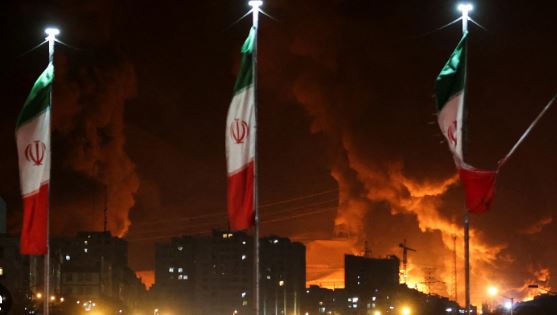
Hyderabad, March 1: Hyderabad’s vast diaspora in the Gulf, one of the largest NRI communities from the city, lived through anxious, sleepless hours as the Middle East was drawn into the crosshairs of the escalating Israel–Iran conflict.
The flare-up began after direct hostilities between Israel and Iran intensified into missile and drone exchanges, with retaliatory strikes reported near key military installations and strategic ports across the Gulf region. Airspace closures, sirens, and interceptions over major cities deepened fears among civilian populations, including thousands of Indian expatriates.
Families in Hyderabad remained glued to television screens and WhatsApp groups, tracking every development in real time. Prayers were offered in homes and mosques as uncertainty loomed over loved ones abroad.
Indian badminton star P. V. Sindhu, who was enroute to Birmingham via Dubia for All England Open Badminton Championship, was stranded at Dubai International Airport after temporary airspace disruptions led to flight suspensions. Meanwhile, relatives of expatriates described tense moments as sirens pierced the night in parts of the UAE.
“Most of the damage is due to the falling debris of the destroyed structures”, said Zafar Akbar, another Hyderabadi NRI who has been living in Dubai for nearly 50 years, adding that “people are safe.”
Former tennis champion Sania Mirza and her son, who reside in Dubai near one of the affected zones, were reported safe. However, the family endured hours of anxiety and tense moments, said her father Imran Mirza, later expressing gratitude for their safety.
In Bahrain, where the U.S. Navy’s Fifth Fleet is headquartered, residents reported loud explosions and emergency alerts after retaliatory strikes targeted naval facilities. Mothers consoled frightened children startled by blaring sirens and the distant rumble of interceptions – for many, a first close encounter with the realities of war. A Hyderabadi doctor, Dr. Shahla Fatima, found herself in a moment no parent prepares for. As sirens wailed, she held her five-year-old son close and told him the flashes and sounds were “just fireworks,” hoping to shield him from the harsh reality unfolding outside.
The Indian community in Kuwait, where regional tensions also triggered security alerts and precautionary measures, spent a sleepless night. Many families gathered around television sets or remained active on WhatsApp chats, anxiously awaiting reassurance from relatives. With Ramadan underway, several individuals offered special nafl prayers, while some families in Hyderabad chose to forgo iftar gatherings as the situation turned grim.
“We are all safe. The Indian government and the embassy has taken good measures. The situation is safe here, so far”, added Mohammed Abdul Nayeem, Chairman of Masah Constructions in Saudi Arabia.
Kareem Irfan, President of the Federation of Indian Muslim Associations (FIMA) in Kuwait, expressed confidence that the tensions would subside soon and assured that the “Hyderabadi community in Kuwait remained safe” and in constant coordination with authorities.
In Qatar, Mohammed Rafi, a businessman from Hyderabad, assured that people, particularly the Hyderabadi community in Qatar was safe.
A significant number of IT engineers, doctors, technicians, civil engineers, and skilled workers from Hyderabad form a substantial part of the Gulf workforce, occupying roles that range from essential services to senior executive positions. For their families back home, the conflict was not a distant geopolitical headline but a deeply personal ordeal measured in missed calls, delayed messages, and whispered prayers.
Amid the rising tensions, the Indian Ministry of External Affairs issued an advisory urging Indian citizens across the Middle East to exercise caution, avoid unnecessary travel, and remain in close contact with Indian embassies and diplomatic missions in their respective countries.
Meanwhile, King Salman approved hosting stranded GCC citizens at Saudi airports and directed authorities to ensure their comfort and safety until arrangements are made for their safe return home. The move came as regional airspace closures left thousands of passengers in transit hubs across the Gulf.
As the situation continues to evolve, hope remains that diplomacy will prevail and tensions will subside soon.