HYDERABAD: How can Democrats use the powers of the US political system to challenge a president’s decision to take the country into war? That question formed the focus of a discussion by the founder of Khanversations at an event held at Siasat Daily in Hyderabad.
The talk examined American politics and the debate over the United States’ approach to Iran. Rather than treating the issue only as a contest between political personalities, the discussion brought attention to the role Democrats and elected representatives can play when the White House considers military action.
Congress and the power over war
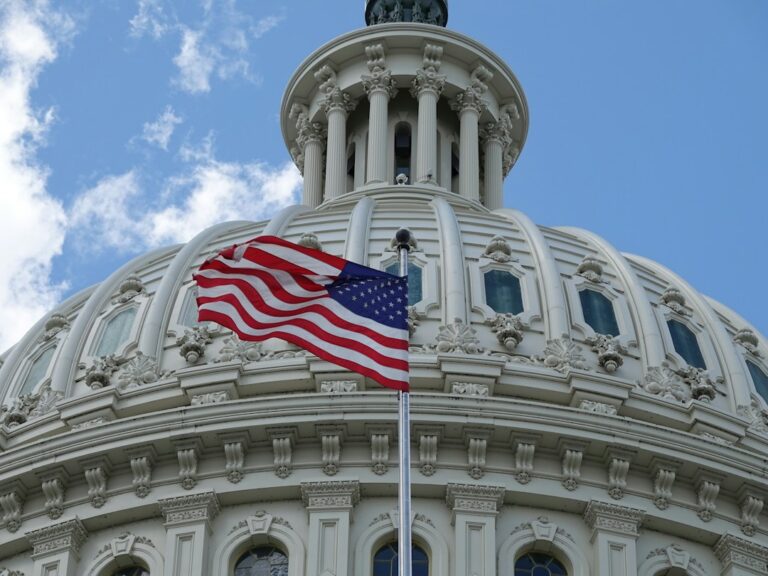
The constitutional question is central to that debate. The US Constitution makes the President Commander-in-Chief of the armed forces, while giving Congress the power to declare war and control federal spending. This division places responsibility for decisions on war and peace across two branches of government.
Congress also has oversight powers and can question the administration about the legal basis, objectives and likely consequences of military action. The War Powers Resolution of 1973 sets reporting requirements when US forces are introduced into hostilities and establishes a framework for congressional authorisation and limits on continued military engagement.
These provisions do not mean that opposition lawmakers can automatically stop every military operation. Their effectiveness depends on the political balance in Congress, the willingness of lawmakers to act and the legal and constitutional circumstances of a particular deployment. Funding decisions, hearings and legislative measures can nevertheless create significant pressure on an administration.
The discussion at Siasat Daily placed this institutional question alongside the wider tensions involving the US, Iran and Israel. It invited attention to the checks and balances within American democracy and to the responsibility of elected representatives when decisions carry consequences beyond the United States.
The central issue is therefore not simply whether Democrats oppose a particular foreign-policy decision, but what constitutional and political means are available to them to scrutinise, restrain or challenge it.
Those present
Those present at the discussion included Amer Ali Khan, Editor of Siasat Daily; Prof. Amirullah Khan, development economist; political analyst Sajid Peerzada; Riyaz Ahmed; and Dr Syed Fazil Hussain Parvez, Editor of GAWAH.