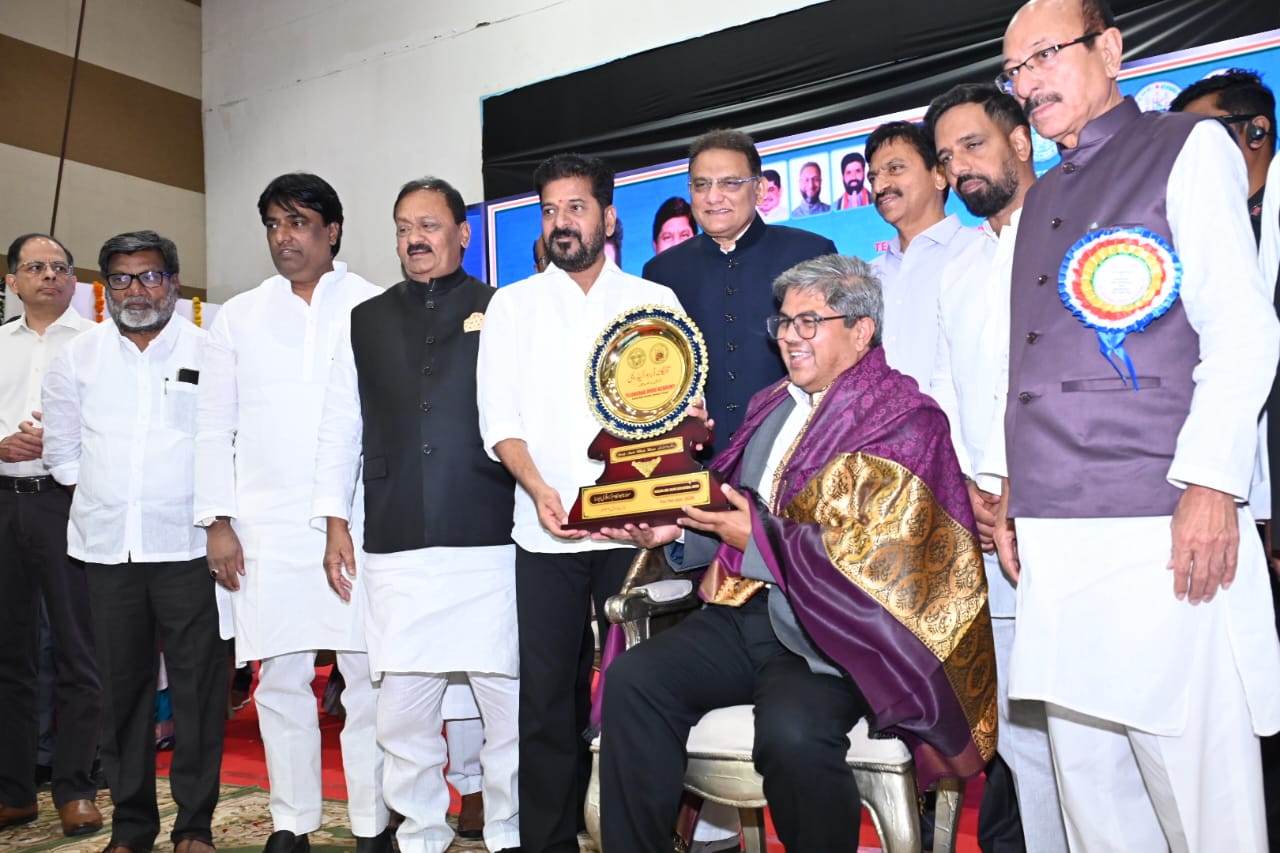
Hyderabad, November 11: The higher education system in Telangana needs a complete overhaul, urged development economist Prof. Amirullah Khan. Speaking during the National Education Day celebrations organized by the Telangana Urdu Academy in collaboration with TMREIS, Prof. Khan stressed that “we need to do a complete overhaul of the fundamental rethinking the way state universities are governed if they are to compete with the country’s premier institutions.
Calling for greater autonomy, independent leadership and a comprehensive overhaul of the higher education system, he argued that universities must be allowed to function as independent academic institutions rather than remain excessively dependent on government control. Such autonomy can elevate the quality of higher education offered at these instituions, terming the status quo, a state of quality deficit.
He said Telangana should aspire to build state universities that match the standards of institutions such as the IITs and IIMs. This, however, would require more than investment in buildings, laboratories and infrastructure. Universities must have the freedom to take academic and administrative decisions, appoint capable leadership and create an environment in which teaching and research can flourish.
Prof. Khan suggested that the government examine amendments to existing state legislation to give universities meaningful autonomy. He also called for a more independent system of appointing university heads, pointing to institutions such as the International Institute of Information Technology Hyderabad, the Indian School of Business and NALSAR, where institutional leadership enjoys greater independence.
His argument was that universities cannot be expected to achieve academic excellence if their leadership and functioning are continually constrained by administrative intervention.
Teachers remain the most important factor
Drawing attention to the wider challenges facing education, Prof. Khan said the quality of teaching remained the single most important factor in determining educational outcomes.
Infrastructure and amenities were necessary, but they could not compensate for the absence of good teachers, he observed. The focus, therefore, had to shift towards strengthening academic standards, improving teaching quality and creating institutions that could attract and retain talented faculty.
He also highlighted the problem of student dropouts among Muslims in Telangana. Citing figures during his address, he said the literacy rate among Muslims in the state was 77 per cent, compared with 66 per cent among non-Muslims. However, he cautioned that the figures concealed a serious problem of students leaving the education system at successive stages.
According to the figures he cited, around 70 per cent dropped out at the high-school stage, while the proportion rose to approximately 80 per cent by graduation and increased further at higher levels.
He said the challenge was not simply to bring students into classrooms but to ensure that they could continue their education and progress into higher studies.
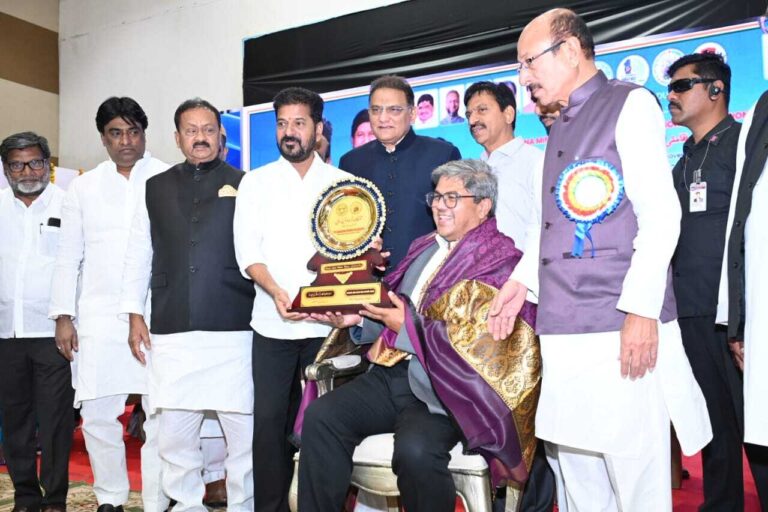
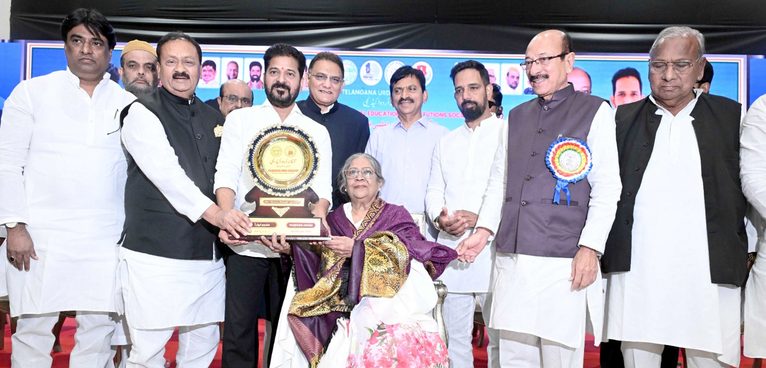
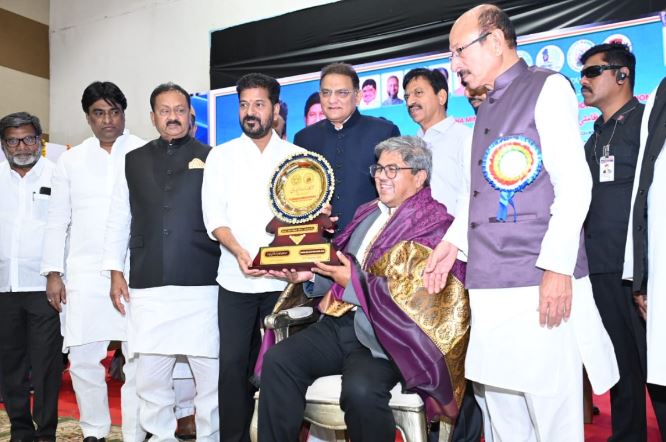
Prof. Khan was speaking at the celebrations marking the 138th birth anniversary of Maulana Abul Kalam Azad, India’s first Education Minister. Organised by the Telangana Urdu Academy in association with the Telangana Minorities Residential Educational Institutions Society (TMREIS), the programme was held under the theme Taleem Se Taraqqi (Growth Through Education).
By Syed Khaled Shahbaaz