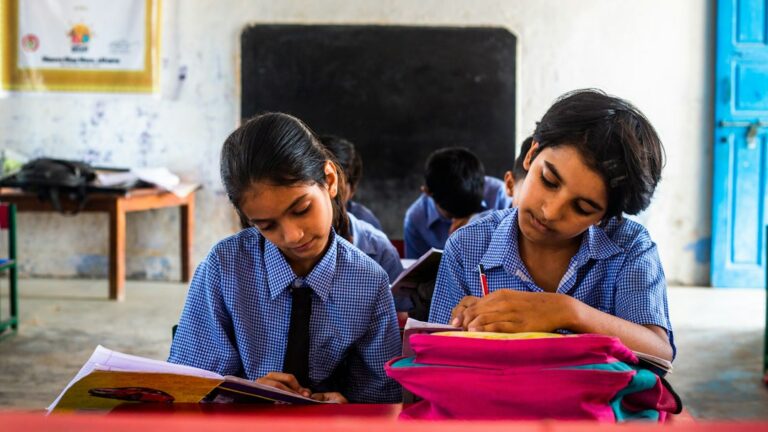
New Delhi: The Centre has launched NAVYA 2.0, expanding a vocational training initiative for adolescent girls and young women to 100 districts across 24 States and Union Territories, while widening the eligible age group to 16–25 years.
The programme, whose name stands for Nurturing Aspirations through Vocational Training for Young Women and Adolescent Girls, is a joint initiative of the Ministries of Women and Child Development and Skill Development and Entrepreneurship. Union Ministers Annpurna Devi and Jayant Chaudhary launched the second phase in Haridwar on November 28.
The expansion marks a shift from the pilot phase, which covered girls aged 16–18. The new age range brings young women up to 25 within the programme’s scope, with a stated focus on aspirational and hard-to-reach districts.
From training to employment
NAVYA 2.0 is designed to connect vocational training with pathways to employment, apprenticeships and entrepreneurship. The government says the programme will offer industry-relevant training in emerging and non-traditional job roles.
The pilot phase included roles such as Drone Manufacturing and Assembly Technician and Solar PV Installation Helper. The second phase is intended to build on that experience and widen access to skills linked to changing employment opportunities.
A common Standard Operating Procedure will guide implementation at the district level. The Skill India Digital Hub will be used to support candidates from enrolment through certification and track their progress.
What young women should know
The programme is intended for adolescent girls and young women aged 16–25 in the districts selected for implementation. The November 28 announcement confirms coverage across 100 districts in 24 States and Union Territories, but does not provide a complete district-wise list or a single public application deadline.
Interested candidates and families should check with their district skill development office, State Nodal Officer or the official Skill India Digital Hub for local mobilisation, available courses and enrolment instructions. Eligibility alone does not mean that every course is available in every district.
Why the expansion matters
The programme’s stated objective goes beyond short-term training. Its effectiveness will depend on whether candidates can move from certification into paid work, apprenticeships or viable enterprises. The district-level rollout and tracking through the Skill India Digital Hub are intended to connect training with those next steps.
GAWAH News Desk