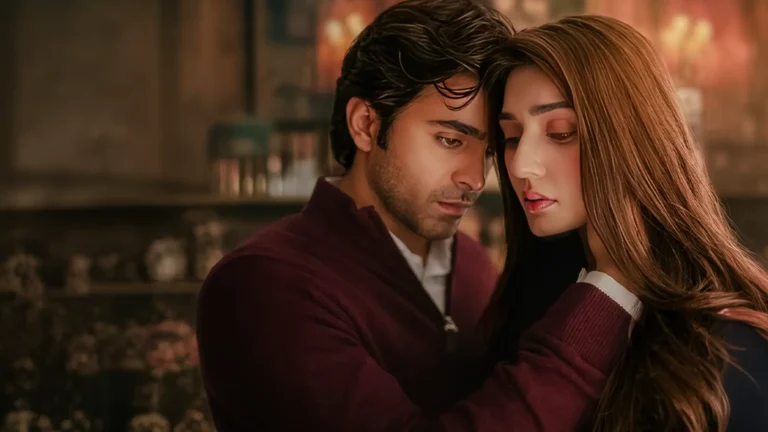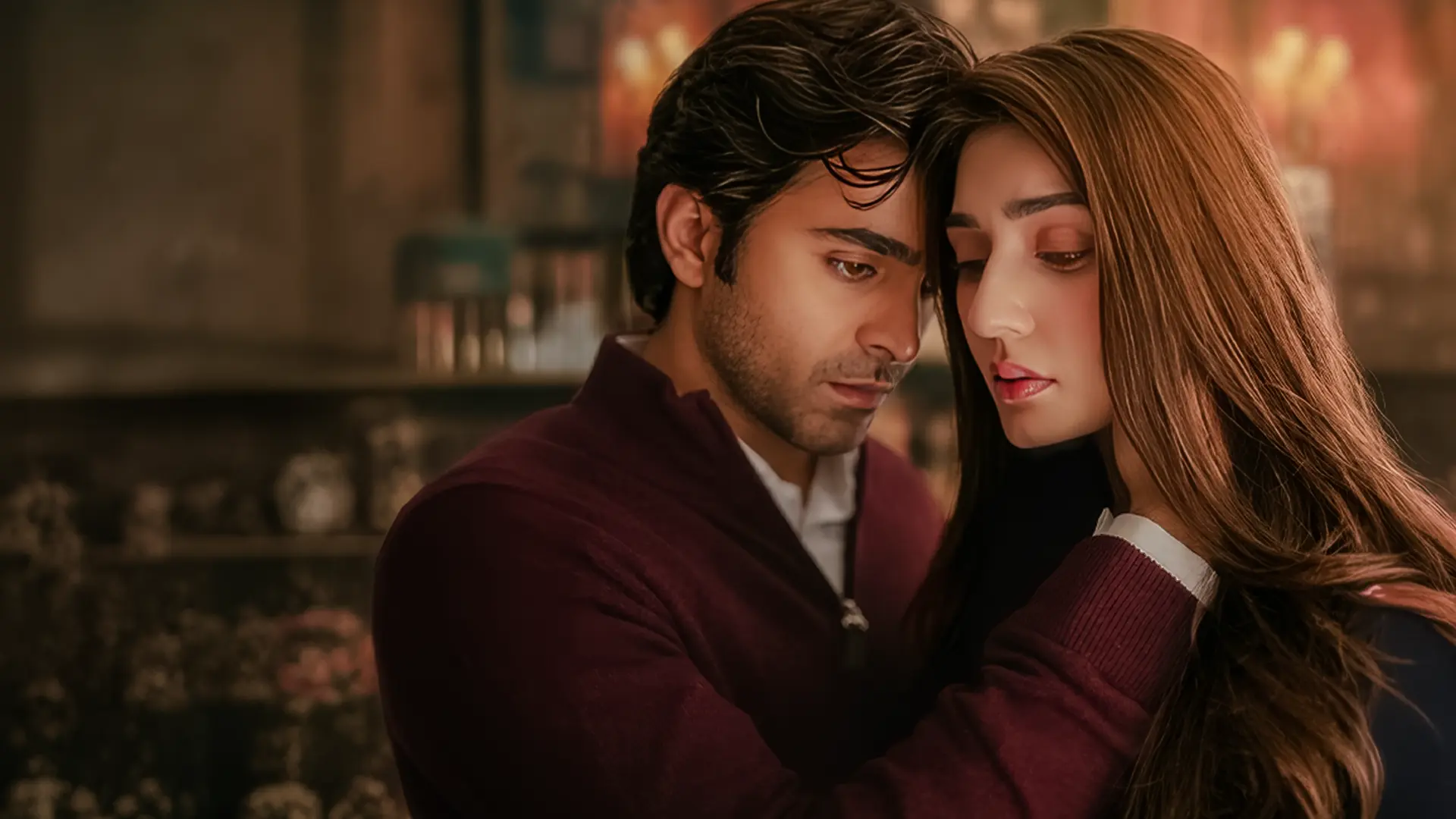
It begins with a word. Then a phrase. Soon, a family is repeating a line from a television drama at the dinner table, a friend is borrowing an expression for a WhatsApp status, and someone is asking what a particular Urdu word really means. The Dar-e-Nijaat conversation in India is not only about Abu Bakar or Zaryab. It is also about language.
Across Indian social media, viewers have been sharing clips, recreating dialogues and discussing the show’s characters. Some of the affection is directed at the story. Some is directed at the sound of the words themselves: the cadence of Urdu, its layered vocabulary and its ability to make an ordinary feeling sound unusually precise.
Familiar, yet newly discovered
For many Hindi-speaking viewers, Urdu is not an unfamiliar language arriving from a distant place. It is part of a shared Hindustani inheritance heard in homes, films, songs, poetry and everyday conversation. The distinction between Hindi and Urdu in daily speech is often less rigid than the labels suggest. What changes is the register, the vocabulary, the script and the cultural setting in which the language is presented.
Pakistani dramas bring that register into the living room with a particular intimacy. Their dialogue often allows a sentence to breathe. A character can express hurt, affection, hesitation or restraint without every emotion being announced in the loudest possible terms. The words are not merely decorative. They help establish the emotional temperature of a scene.
In the online conversation around Dar-e-Nijaat, viewers have picked up expressions that feel both accessible and distinctive. Phrases such as jaam-e-mohabbat or toofan-e-badtameezi, which have circulated in commentary about the show’s linguistic appeal, demonstrate how a compound phrase can carry humour, affection and exaggeration at once. The attraction is not simply to difficult vocabulary. It is to the pleasure of discovering that a familiar emotion can be expressed in a more exact or musical way.
Why dialogue travels
Language travels when people want to repeat it. A line becomes a reel caption, a joke between siblings, a message to a friend or a phrase that stays in the mind after an episode ends. Short-form video accelerates this process. A scene detached from its original episode can reach someone who has never watched the full drama. The viewer may arrive for a character edit and stay because the dialogue has caught their ear.
That is one reason the Urdu conversation around Pakistani dramas is bigger than a single show. Dar-e-Nijaat has become a current focal point, but Indian audiences have long responded to Pakistani serials whose dialogue combines emotional directness with literary texture. Social media now makes that appreciation visible, searchable and shareable.
Not a language lesson, but a cultural encounter
It would be a mistake to describe this as Indians suddenly discovering Urdu. The language has deep roots in the subcontinent and remains part of India’s own literary, musical and conversational life. What viewers may be rediscovering is a particular style of contemporary Urdu dialogue: unhurried, expressive and comfortable with words that do not always appear in everyday urban speech.
There is also a generational dimension. Younger viewers who encounter a phrase in a reel may search for its meaning, ask a parent or grandparent, or find themselves looking up a poet or an older film song. A television serial can become an unexpected entry point into a much larger cultural archive.
And this exchange does not need to be framed as a contest between Indian and Pakistani culture. Languages do not become richer when they are treated as national property. Urdu belongs to a shared history shaped by many regions, communities and traditions. Its beauty is not diminished when someone across a border enjoys it.
The real appeal is the feeling carried by the words
Viewers are not tuning in to memorise vocabulary. They are responding to the way language makes a character feel recognisable. A carefully chosen word can make tenderness sound sincere, regret sound vulnerable or anger sound controlled. In a crowded entertainment landscape, that emotional precision can be memorable.
Perhaps the most interesting effect of Dar-e-Nijaat is not that it has made Urdu fashionable for a moment. It has reminded audiences that the language has always been close at hand, waiting in songs, family expressions, poetry and shared speech. A drama may bring a phrase back into circulation. The affection it awakens belongs to a much longer story.