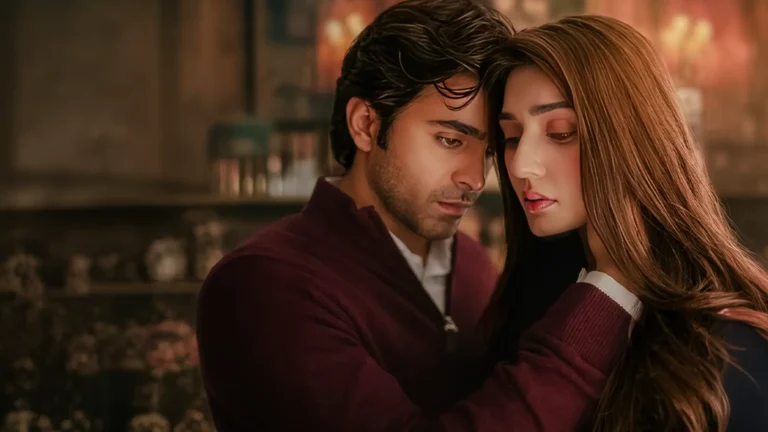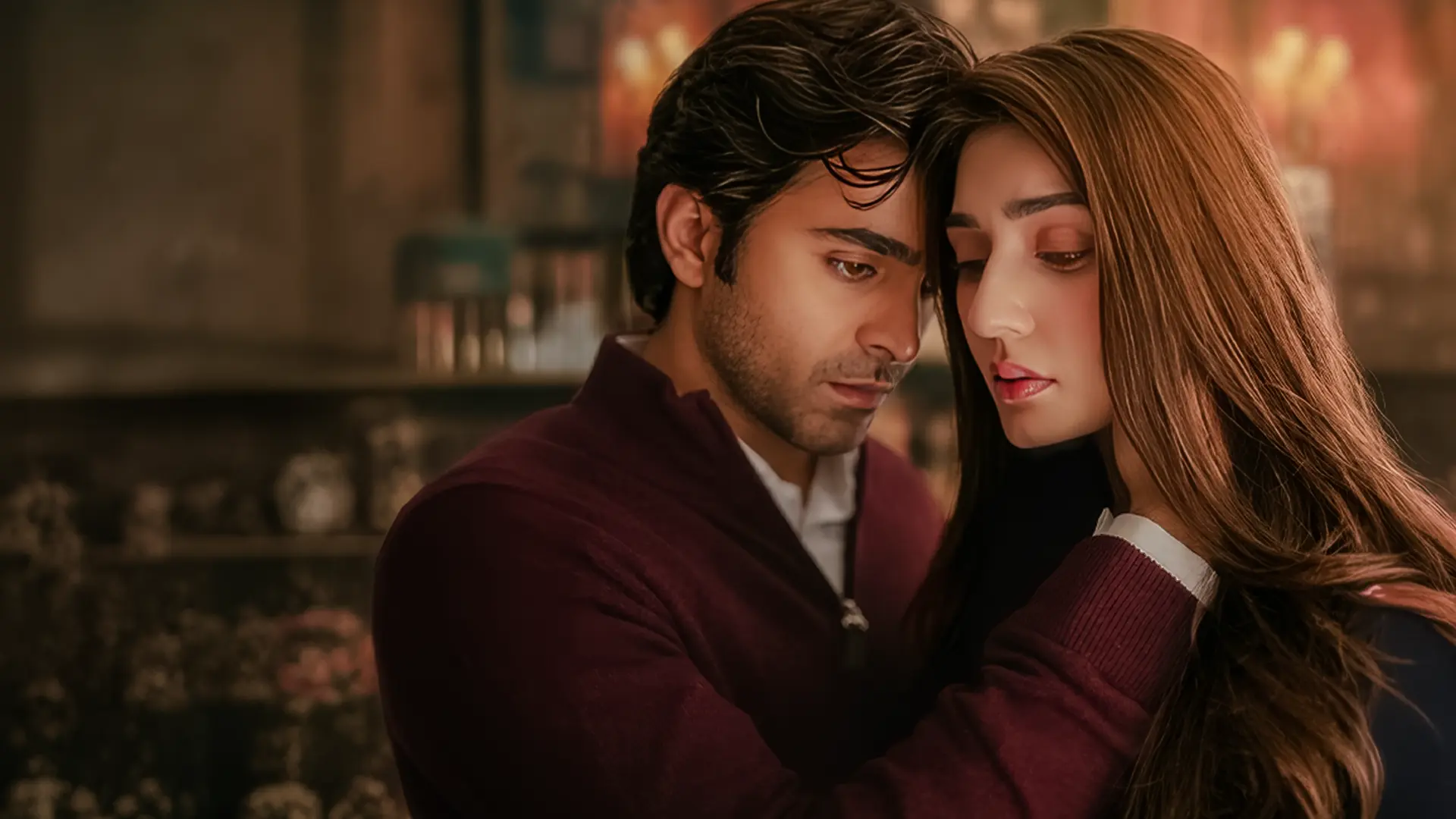
A Pakistani television serial has become an unlikely talking point in Indian homes, group chats and cafés. Dar-e-Nijaat has travelled across a border where politics, official advisories and public sentiment have repeatedly made cultural exchange difficult. Yet its characters, clips and conversations have found an audience in India.
The phenomenon is striking not simply because the show is popular, but because it is popular in a climate that would ordinarily make such a journey difficult. India’s Ministry of Information and Broadcasting issued an advisory on 8 May 2025 asking OTT platforms, media streaming platforms and intermediaries operating in India to discontinue content originating in Pakistan. The advisory followed the Pahalgam terror attack and cited national-security concerns. It was directed at platforms and intermediaries; it should not be casually described as a criminal ban on individual viewers.
Dar-e-Nijaat’s Indian following has nevertheless become visible. The ARY Digital production has generated social-media edits, fan conversations and organised gatherings. A Delhi café screening reportedly drew more people than its organisers initially expected, while watch-party activity and fan interest have also been reported in other Indian cities, including Hyderabad. The reaction has not been uniformly welcoming: some events and plans have faced criticism or been called off amid online backlash. That tension is part of the story, not a footnote to it.
When a television show becomes a social event
For many viewers, the experience has moved beyond watching an episode alone. Clips are shared, favourite scenes are replayed, character choices are debated and viewers seek out others who are following the same story. A café screening or a group chat turns a serial into a shared cultural experience. In a fragmented digital world, that sense of collective participation can be as powerful as the programme itself.
Social platforms have also changed how television travels. A viewer does not always discover a show through a channel schedule or a formal streaming catalogue. A short scene, a dialogue, a reaction video or a fan edit can introduce a character before the viewer knows the programme’s name. Curiosity then leads to longer clips, episode discussions and, for some, the full series. The route from one viral moment to a devoted audience is now remarkably short.
A familiar language, an unfamiliar border
There is also a cultural closeness that cannot be measured by geography alone. Urdu and Hindustani expressions, family relationships, food, humour, music and everyday social codes are recognisable across much of the subcontinent. Pakistani dramas can feel culturally familiar to Indian viewers while offering a different rhythm of storytelling and performance.
Dar-e-Nijaat, written by Umera Ahmed and directed by Saqib Khan, features Sheheryar Munawar as Abu Bakar and Durefishan Saleem as Zaryab, alongside Nameer Nawaz Khan as Zamil. Its emotional conflicts and character relationships have given audiences plenty to discuss. The appeal is not reducible to one actor or one romantic pairing; it is the combination of performances, dialogue, dramatic turns and the online life the series has acquired.
Politics cannot dictate every cultural response
None of this erases the political realities between India and Pakistan, nor does entertainment settle questions of security, diplomacy or national sentiment. Viewers can hold strong political opinions and still respond to a performance, a story or a piece of music. Others may decide that consuming Pakistani entertainment is incompatible with their views. The public argument around Dar-e-Nijaat reflects that divide.
What the drama demonstrates is that cultural attention does not always follow official boundaries in a neat or predictable way. Restrictions can change where content is carried and how it is accessed; public criticism can shape whether people gather openly. But a story that catches the imagination can continue to circulate through conversation, excerpts and fan communities.
That is why Dar-e-Nijaat has become more than another television serial. It has become a small but revealing case study in the way audiences choose what to watch, how digital culture crosses borders, and why a fictional world can enter real homes even when the world outside it remains divided.
Dar-e-Nijaat is an ARY Digital production. Official programme information is available through ARY Plus. The Government of India advisory is available on the Ministry of Information and Broadcasting website.