Uber, Nuro and Lucid have begun testing fully driverless robotaxis on public roads in California, moving a planned autonomous ride-hailing service closer to its expected launch in early 2027.
The companies announced on November 24 that modified Lucid Gravity electric SUVs, equipped with Nuro’s Level 4 autonomous driving system, are now being tested without a safety operator inside the vehicle. The trials are taking place in Palo Alto, Mountain View, Los Altos and Sunnyvale in the San Francisco Bay Area.
From supervised trials to driverless testing
Nuro has been testing the Lucid Gravity robotaxi on public roads in the Bay Area and Houston since December 2025, with a safety driver present. The latest phase removes that operator from the vehicle after months of road testing, simulation and closed-course validation.
The companies said employee rides in the driverless vehicles will begin soon. The public robotaxi service is expected to launch in the San Francisco Bay Area in the first quarter of 2027, subject to the required operational and regulatory steps.
How the Uber robotaxis work
The vehicles combine Lucid’s electric SUV platform with Nuro’s autonomous driving technology. The sensor suite includes cameras, lidar and radar, supported by a roof-mounted sensor assembly. These systems help the vehicle detect road users, traffic conditions and obstacles and make driving decisions within its approved operating conditions.
The partnership divides responsibilities among the three companies. Lucid supplies and integrates the vehicle platform, Nuro develops and validates the autonomous driving system, and Uber manages fleet operations and the passenger experience. The robotaxis will be made available to customers through Uber’s network.
A large bet on autonomous mobility
The programme builds on a partnership announced in 2025. Uber has committed to purchasing at least 35,000 Lucid vehicles equipped with Nuro’s autonomous system, with the companies planning to expand the service beyond the Bay Area over time. Lucid said more than 100 vehicles had been delivered for the programme ahead of the driverless testing phase.
The scale of the commitment gives Lucid a potential route to larger vehicle orders, gives Nuro a high-profile deployment partner and allows Uber to expand into autonomous rides without developing the entire self-driving system in-house.
Competition is intensifying
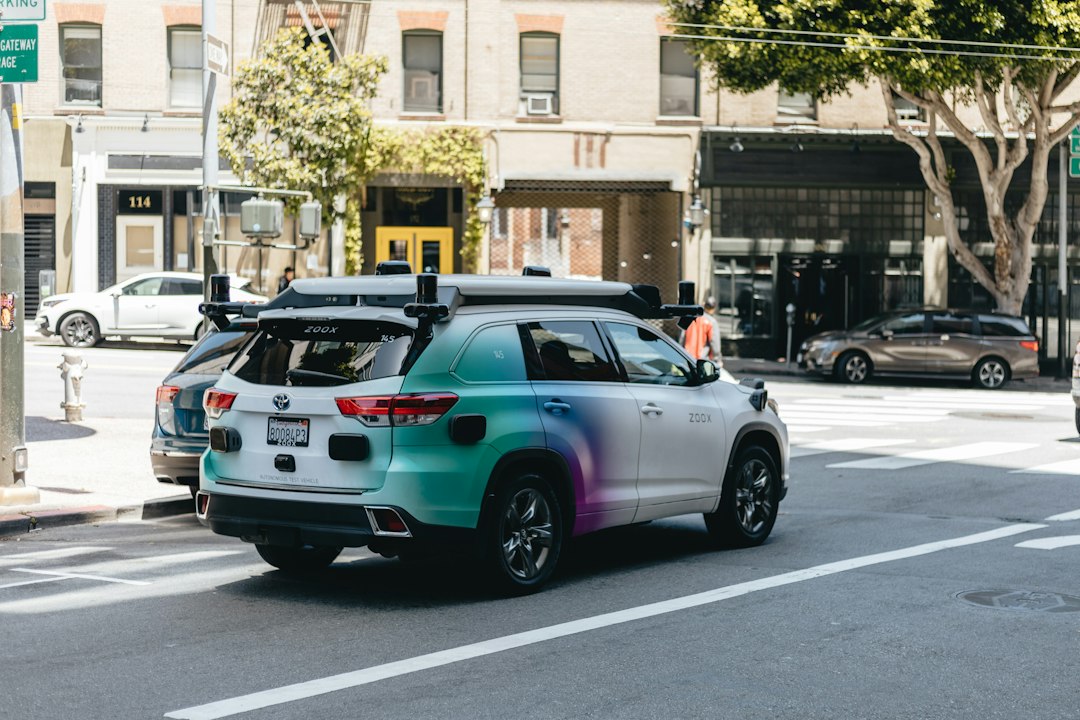
Uber is entering a market where Waymo already operates paid driverless ride services in several US cities, while Amazon-backed Zoox is also developing autonomous passenger transport. Uber’s approach relies on combining its ride-hailing network with specialist vehicle and autonomy partners.
Starting tests without a safety driver is an important milestone, but it does not mean the service is ready for unrestricted use. The commercial launch will depend on continued validation, operating limits, regulatory requirements and the companies’ ability to demonstrate safe and reliable performance.
For now, the trials mark a significant step towards a future in which passengers may be able to book a fully driverless Lucid robotaxi through the Uber app.