An empty Vande Bharat chair-car rake travelled about 463 km from Hatia in Jharkhand to Deen Dayal Upadhyaya station in Uttar Pradesh on October 24 with the braking systems on its coaches isolated, after two locomotive pilots reported poor braking. South Eastern Railway ordered an investigation on November 7, according to the order quoted in reports by PTI and several news organisations.
The rake was being moved by a freight locomotive and was not carrying passengers. It continued using the locomotive’s brakes and regenerative braking while the coach braking systems were not applying. The incident has raised questions about safety checks, the integration of braking systems and how warnings from train crews were handled.
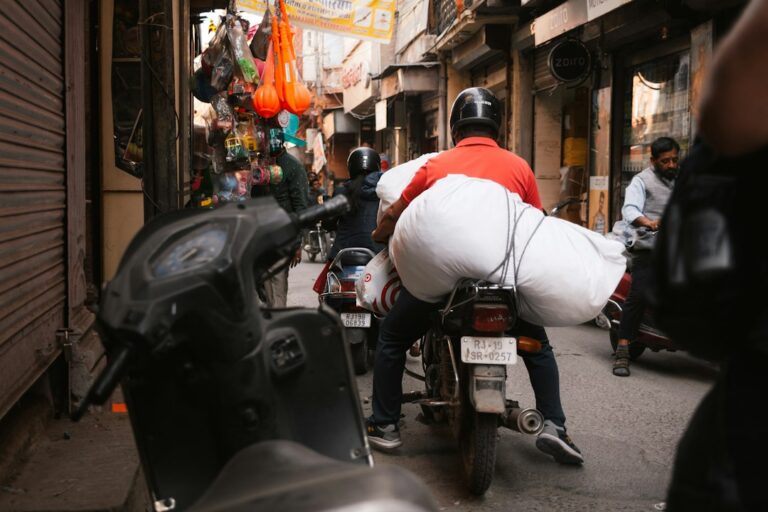
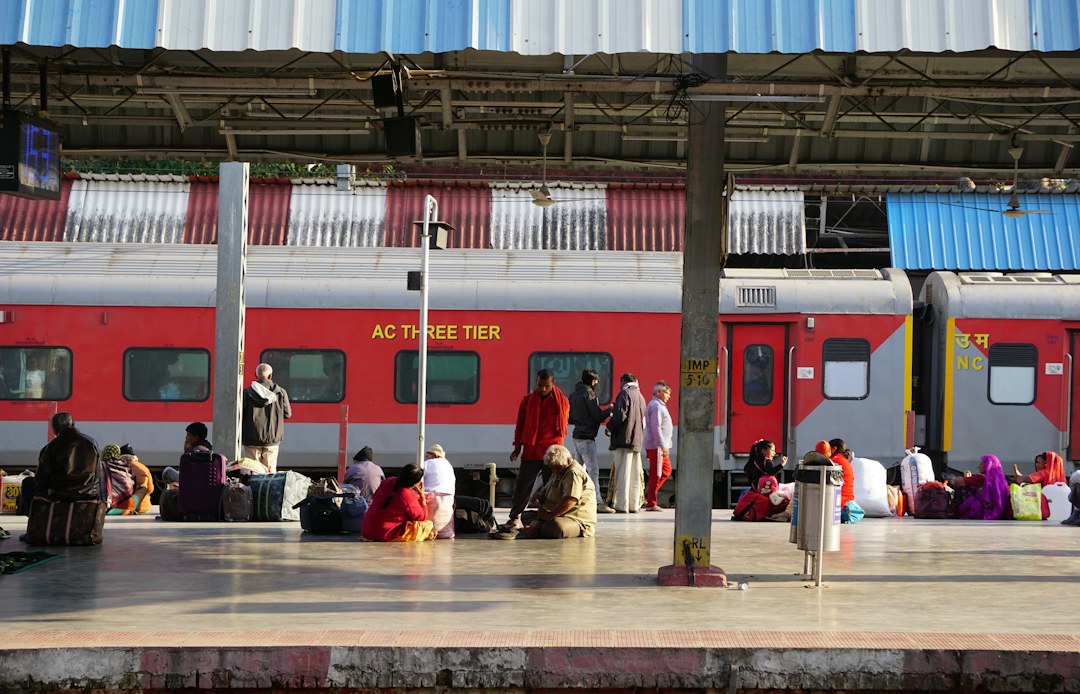
Representative image only; this is not the train involved. Photo: Shruti Singh / Unsplash.
What happened during the Vande Bharat rake movement?
The empty chair-car rake was scheduled to be hauled from Hatia towards Jhansi using a freight locomotive. The November 7 South Eastern Railway order, as quoted by news outlets, records that a brake feel and brake power test after departure from Hatia showed that the train’s braking performance was poor and ineffective.
After reaching Ranchi, the first locomotive pilot submitted a written complaint to the section controller and traction locomotive controller. The order said the rake was nevertheless allowed to continue. A second pilot who operated it from Muri also reported poor braking and said the coach brakes did not respond when brake-pipe pressure was reduced.
At Deen Dayal Upadhyaya station in Chandauli district, Uttar Pradesh, railway staff inspected the rake and found that the braking systems on all the coaches had been isolated. The train had covered approximately 463 km using the freight locomotive’s brakes and regenerative braking, without the coaches’ braking systems being applied.
Why was the braking system a safety concern?
When a train rake is hauled by a locomotive, its braking arrangements must be correctly connected and tested so that the brakes on the coaches work as intended along with the locomotive’s braking system. In this case, the Vande Bharat rake’s braking system was supposed to be integrated with the freight locomotive. The reported isolation of the coach brakes meant that the rake was not receiving the intended braking assistance from its own coaches.
South Eastern Railway described the movement of a train without adequate brake power as a serious safety concern that could endanger railway staff and affect the safety of operations. The zone’s order directed the Ranchi divisional railway manager to investigate how the rake was allowed to proceed after the braking problem had been reported.
What did the preliminary inquiry identify?
The preliminary findings quoted in the reports pointed to possible lapses involving carriage and wagon maintenance staff, section and traction controllers, and the train crew. The maintenance staff had not physically verified that the coach brakes were functioning before the rake was allowed to leave. The order also recorded that warnings from the pilots were not acted upon at Ranchi and Muri.
It further noted that the crew operating the rake was unfamiliar with the Vande Bharat braking system and had not physically checked whether the coach brakes were being applied. These are findings cited from the preliminary inquiry and should not be treated as a final determination of individual responsibility. The investigation ordered by the railway zone is intended to establish the lapses and recommend corrective measures.
Does this mean Vande Bharat passenger services are unsafe?
The reported incident involved an empty rake being transferred with a freight locomotive, not a Vande Bharat service carrying passengers. The available information does not establish a wider defect across the Vande Bharat fleet. It does, however, raise a specific operational safety question about brake integration, mandatory physical checks and the response to crew warnings during empty-rake movements.
Railway authorities have been asked to examine the incident and identify safeguards to prevent a recurrence. Any broader conclusion about the fleet would require evidence from the investigation or a separate official safety assessment.
What happens next?
The November 7 order directed the Ranchi divisional railway manager to investigate the incident, identify the lapses and recommend corrective and preventive measures. GAWAH has not located the original order in the publicly accessible South Eastern Railway document index during this check. The key details above are attributed to the order as quoted by PTI and corroborated by multiple news organisations.
Frequently asked questions
How far did the empty Vande Bharat rake travel?
It travelled approximately 463 km from Hatia in Jharkhand to Deen Dayal Upadhyaya station in Uttar Pradesh before the coach braking systems were found to be isolated.
Were passengers on board?
No. The rake was empty and was being moved by a freight locomotive. The reported risk concerned railway operations and other trains on the route.
Has South Eastern Railway ordered an inquiry?
Yes. A November 7, 2026 order directed the Ranchi divisional railway manager to investigate the incident and recommend measures to prevent a recurrence.
Sources and further reading
PTI report carried by Telangana Today | The Telegraph report quoting the South Eastern Railway order | India Today report | The Times of India report, updated November 16 | South Eastern Railway official website
GAWAH News Desk | November 16, 2026