India has recorded a 38% decline in tuberculosis (TB) mortality since 2015, while the treatment success rate for drug-susceptible TB has reached 94%, according to figures highlighted in the World Health Organization’s Global Tuberculosis Report 2026. The report, released on November 12, puts India’s reduction in TB deaths ahead of the global decline of 35% over the same period.
The figures mark measurable progress in a disease that continues to pose a major public-health challenge. India’s estimated TB mortality rate fell from 28 deaths per lakh population in 2015 to 18 per lakh in 2025, according to the estimates cited by the Union Health Ministry.
Screening reaches more than 25 crore people
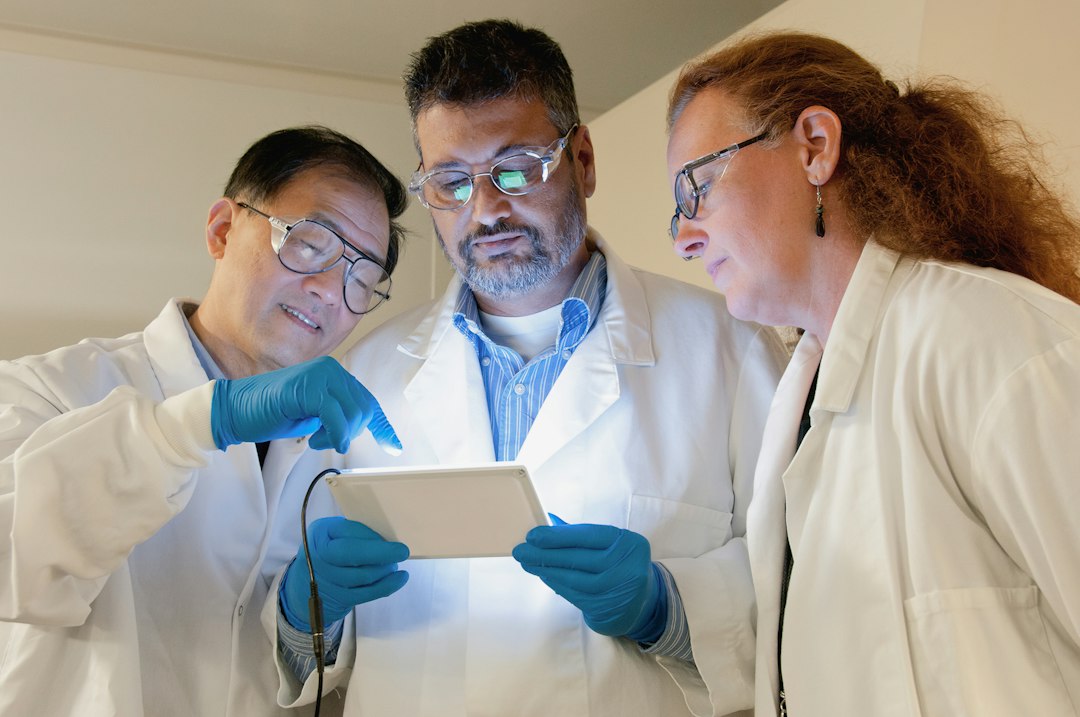
The government says the TB Mukt Bharat Abhiyaan has brought more than 25 crore people within the ambit of intensified screening. Between December 7, 2024 and November 8, 2026, the campaign recorded more than 11 crore chest X-rays and 3 crore molecular tests. It detected 48.64 lakh TB cases, including 14.97 lakh asymptomatic cases, according to the ministry’s account of the programme.
The expanded screening drive has focused on early identification, particularly among vulnerable and high-risk populations. The programme has used chest X-ray screening, rapid molecular diagnostics and follow-up treatment support to identify cases that might otherwise go undetected.
Technology becomes part of the TB response
The Health Ministry has also pointed to the use of artificial intelligence-enabled X-rays and AI tools to identify high-risk areas and predict which patients may be more vulnerable to adverse outcomes. The ministry says digital tools, including the Khushi AI chatbot and avatar videobot, are being used as part of the wider programme.
These tools are intended to support screening and programme delivery. They do not replace clinical assessment, laboratory confirmation or the treatment decisions made by healthcare professionals.
Treatment support and community participation
The reported 94% treatment success rate applies to patients with drug-susceptible TB. The ministry attributes progress to prompt diagnosis, timely treatment, differentiated care and nutritional assistance through initiatives such as Ni-kshay Poshan Yojana and Ni-kshay Mitra.
India has met 96% of the TB programme’s funding requirements through domestic resources, the ministry said. The combination of public funding, community participation and patient support is central to sustaining treatment and reducing the risk of patients dropping out of care.
Progress, but the work is not over
The mortality decline is encouraging, but it should not be read as the elimination of TB. India continues to report a substantial disease burden, and the latest estimates underline the need for sustained detection, uninterrupted treatment, preventive care and support for people affected by the disease.
The WHO report’s estimates draw on multiple sources, including the Registrar General of India’s Sample Registration System, community-based verbal autopsy assessments and programme data from the Ni-kshay portal. The ministry also said a nationally representative TB prevalence survey conducted by ICMR-National Institute for Research in Tuberculosis in 2025 has been shared with WHO and remains under technical discussion.
For India, the next test will be whether the gains in early detection and treatment can be maintained across states and communities, especially among people who face barriers to accessing diagnosis and care.
Source
Ministry of Health and Family Welfare, Government of India — India Makes Major Strides Towards TB Elimination (12 November 2026). Figures are based on the ministry’s summary of the WHO Global Tuberculosis Report 2026.