Hyderabad, October 29, 2026: Neurology specialists have urged people to recognise the early warning signs of stroke and seek immediate medical attention, stressing that timely intervention, regular physical activity and effective management of health conditions can significantly reduce the risk of stroke and its debilitating consequences.
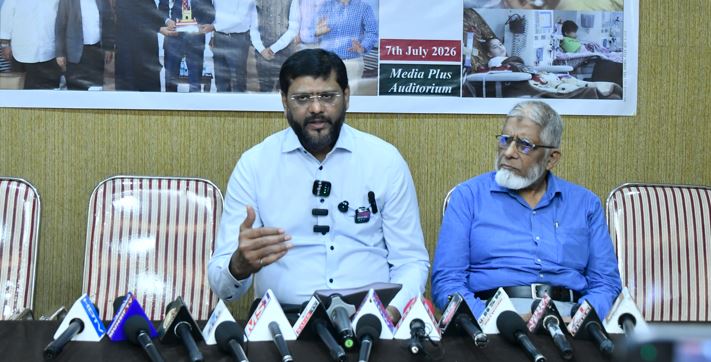
Addressing a press conference organised on the occasion of World Stroke Day at the Media Plus Auditorium in Abids, specialists from Glenfield Mallareddy Brain and Heart Hospital highlighted the importance of public awareness, early diagnosis and preventive healthcare in tackling the burden of stroke.
Neurophysician Dr. Shakeeb Ahrar explained that a stroke occurs when the blood supply to a part of the brain is interrupted, either due to a blockage in a blood vessel or its rupture, depriving brain cells of oxygen and causing damage.
Emphasising the importance of identifying symptoms at the earliest, he introduced the B.E. F.A.S.T. approach to stroke recognition. B stands for sudden loss of Balance, E for Eyesight changes such as blurred or lost vision, F for Facial drooping, A for Arm weakness, S for Speech difficulties and T for Time to seek emergency medical assistance.
He cautioned that even the appearance of one of these symptoms should be treated seriously and should prompt immediate medical attention.
Neurosurgeon Dr. Mohammed Ali explained that ischaemic stroke, the most common type, occurs when a blood clot or plaque blocks an artery supplying blood to the brain. Dr. Mohd Mubashir Ahmed, Consultant Neurophysician, explained that haemorrhagic stroke occurs when a blood vessel ruptures, resulting in bleeding within or around the brain.
Director of Glenfield Mallareddy Brain and Heart Hospital, Mohammed Younus Ansari, urged the public not to ignore stroke symptoms, even when they appear to subside after a short period. He stressed that a temporary disappearance of symptoms does not necessarily mean the danger has passed.
The specialists underlined that stroke is a medical emergency in which every minute matters. Patients with eligible ischaemic strokes may benefit from clot-dissolving medication if administered within 4.5 hours of the onset of symptoms. Selected patients may also qualify for other advanced interventions beyond this time window, depending on clinical assessment and imaging findings.
They advised people against waiting for symptoms to disappear or attempting home remedies, emphasising that immediate hospitalisation can make a significant difference to treatment outcomes and recovery.
Lifestyle changes can reduce stroke risk
The doctors also highlighted the growing concern over sedentary lifestyles, inadequate physical activity and poorly controlled health conditions, which can increase the risk of stroke.
They recommended regular exercise, avoiding smoking and alcohol consumption, maintaining a healthy body weight and keeping blood pressure, blood sugar and cholesterol levels under control. Effective management of diabetes and other cardiovascular risk factors was also emphasised as an important part of stroke prevention.
Referring to the World Health Organization’s physical activity recommendations, the specialists encouraged adults to undertake at least 150 minutes of moderate-intensity physical activity every week. A brisk 20-minute walk on most days can contribute towards this target, while avoiding prolonged periods of sitting can further improve overall health.
The doctors called for sustained public awareness campaigns to educate people about stroke symptoms, the importance of preventive health checks and the need for immediate medical intervention. They reiterated that recognising the warning signs and acting without delay can help save lives and reduce the risk of permanent disability.
Photo Caption: Neuro-specialists Dr. Shakeeb Ahrar, Dr. Mohammed Ali, Dr. Mohd Mubashir Ahmed (Consultant Neurophysician), Dr. Kesha Meghashyam (Consultant Interventional Radiologist) and Mohammed Younus Ansari, Director of Glenfield Mallareddy Brain and Heart Hospital, discuss stroke awareness, early intervention and preventive healthcare at a World Stroke Day press conference held at the Media Plus Auditorium in Hyderabad.