Alt News co-founder says Abhijeet Dipke sought advice on setting up a payment system; warns that AI-generated videos and organised online propaganda are making fact-checking increasingly difficult
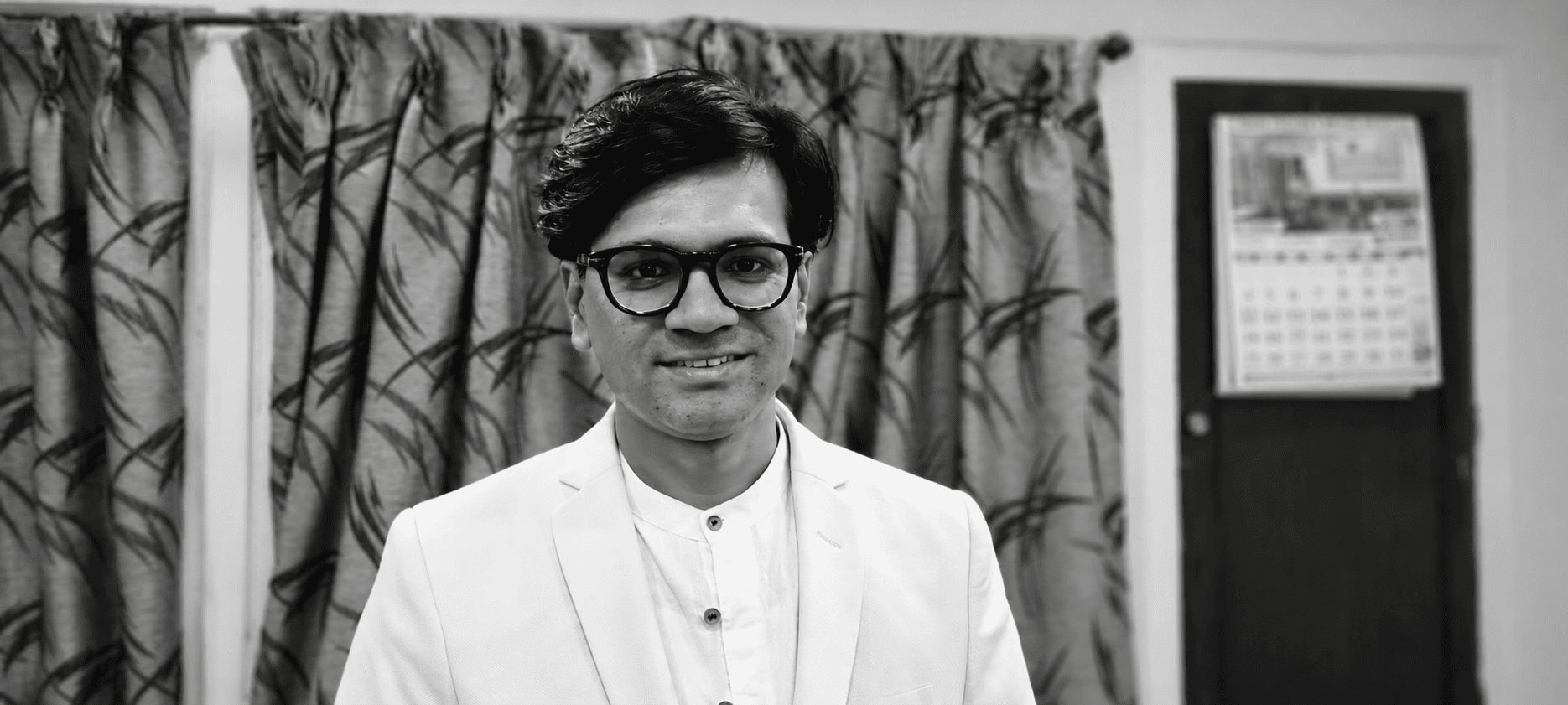
HYDERABAD: As allegations of foreign funding swirl around the Cockroach Janata Party (CJP), Alt News co-founder Mohammed Zubair has recounted a conversation in which its founder, Abhijeet Dipke, approached him for advice on setting up a payment and fundraising system.
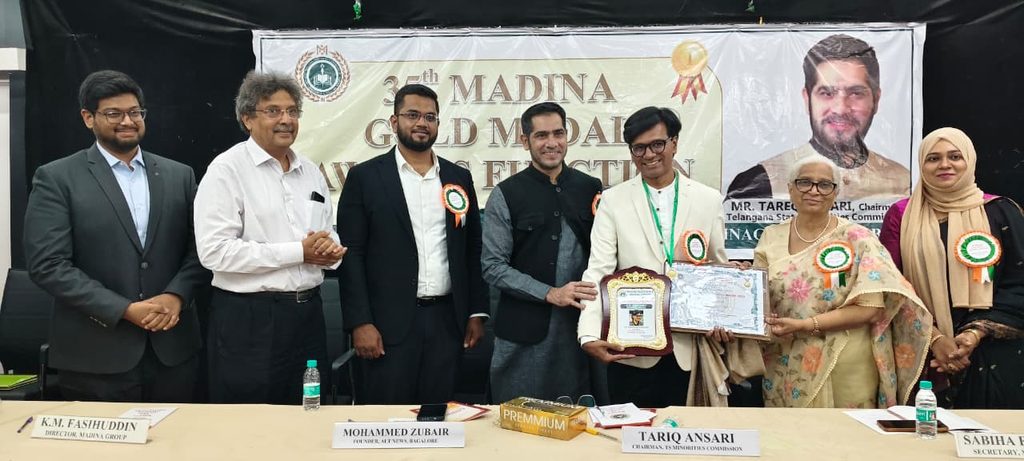
Zubair, who was in Hyderabad to attend the Madina Gold Medals award function, said Dipke had contacted him when the CJP began gaining momentum, seeking to understand how Alt News had established its payment infrastructure.
“When the initial momentum of the Cockroach Janata Party began, Abhijeet contacted me asking how our payment system worked,” Zubair said. “If he had already been receiving foreign funding, why would he have asked me about setting up a payment system?”
Zubair’s account comes amid a wider political controversy over the funding of the youth-led movement. American singer Mary Millben has alleged that US-based donors opposed to Prime Minister Narendra Modi were funding the CJP.
For Zubair, the controversy reflects a broader problem confronting public discourse: the use of online propaganda, misleading claims and manipulated media to discredit individuals and movements. Zubair said generative artificial intelligence has made it easier to manufacture videos that attribute statements to people who never made them. “My own videos were generated using AI, saying things I never said,” he said.
Such content, he argued, can damage reputations, mislead audiences and make it harder for people to distinguish genuine recordings from fabricated material. The challenge for fact-checkers goes beyond identifying a manipulated video. They must establish where the material originated, locate the original recording, examine its context and corroborate the claims being made.
As synthetic audio and video become more convincing, these steps are becoming increasingly important. A video that appears authentic to an ordinary viewer may have been altered or assembled to create a false impression.
The speed of online circulation compounds the problem. Misleading material can reach thousands of people before journalists have had time to verify it. A correction, even when supported by evidence, may struggle to reach the same audience as the original claim.
“The hardest part of the job is often not establishing what is true, but persuading people who have already accepted a false claim to reconsider it,” he said. For Zubair and other fact-checkers, the challenge is therefore twofold: establish what happened and communicate the evidence in a way that can withstand organised attempts to discredit it.
Despite the growing challenges, Zubair said recent youth-led protests had renewed his confidence in public engagement and democratic accountability. He said the participation of Gen Z in demonstrations demanding justice had challenged his earlier assumption that younger people were largely preoccupied with entertainment and short-form digital content.
The protests, he said, demonstrated that young people could engage seriously with political and social questions, organise around shared concerns and demand accountability from those in power. For people working in fact-checking, this mobilisation carries particular significance. Repeated exposure to misinformation, online abuse and campaigns questioning their credibility can make the work dispiriting.
Zubair said the renewed public engagement had restored some of the confidence that can be lost when carefully researched corrections appear to make little difference. His message to the young people who had mobilised was straightforward: “I just want to thank them.”
The response also points to a continuing tension in the digital public sphere. Social media can help young people organise, circulate evidence and challenge established narratives. The same platforms can amplify fabricated claims, reward outrage and expose individuals to coordinated harassment.
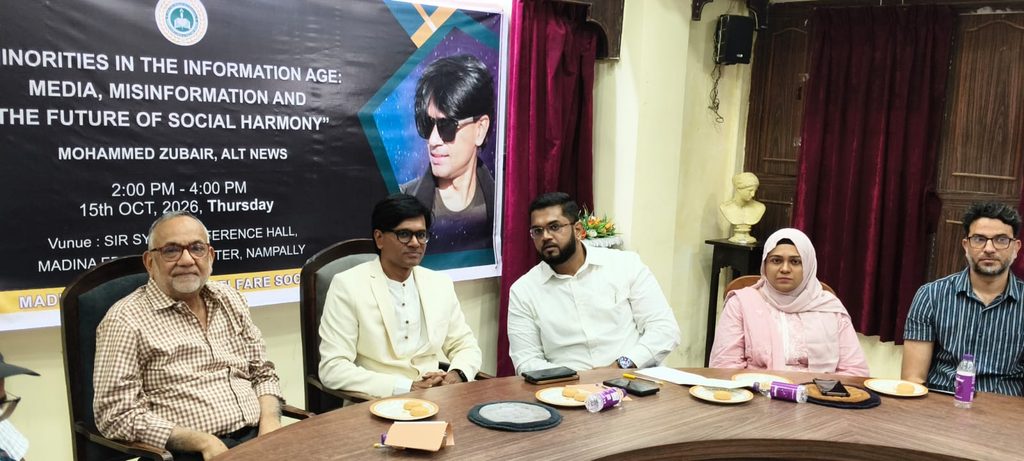
Zubair’s work has earned international as well as national recognition. In 2023, he received the Freedom of Expression Award in the Journalism category from London-based Index on Censorship, which recognised his work combating misinformation and disinformation in India. In January 2024, the Tamil Nadu government conferred the Kottai Ameer Communal Harmony Award on him for his contribution to preventing violence through fact-checking. Yet such recognition has come alongside online abuse, legal challenges and concerns about the safety of his family and those close to him.
“I was worried about the safety of my family and those close to me, particularly when my work challenges claims circulated by influential individuals or political groups,” he said.
His experience, he suggested, underscores the importance of institutional and legal support for journalists and activists facing online hostility or legal action. Zubair has previously faced arrest. He said the support he received from colleagues, lawyers, his organisation and civil society made a considerable difference during difficult periods.
Not everyone facing similar circumstances has access to such networks. Independent journalists and activists can be particularly vulnerable when confronted by powerful individuals, organised online campaigns or prolonged legal proceedings. Solidarity, legal assistance and institutional backing can therefore play a decisive role in enabling them to continue their work.
Zubair said journalism and political debate had not always occupied the centre of his life. Before his work at Alt News brought him widespread recognition, he spent much of his time with friends and family, played cricket and largely avoided political discussions.
His growing presence on social media gradually changed that. As he encountered abusive comments and misleading claims, he began responding, sometimes sarcastically. Over time, challenging misinformation became a defining part of his work.
The experience also changed how he viewed social media. While digital platforms allow fact-checkers to reach large audiences, they can simultaneously amplify abuse and reward provocative or emotionally charged claims over carefully researched explanations.
Zubair advised journalists and activists to remain engaged online while exercising caution in their language and conduct. Responding to abuse with abuse, he warned, can invite further attacks and allow hostile accounts to circulate exchanges stripped of their original context.
The task, he suggested, is to remain focused on evidence rather than become consumed by online confrontations. For journalists and fact-checkers, the responsibility remains to establish what can be verified, acknowledge what remains uncertain and explain the evidence clearly.
In a digital environment where fabricated material can travel faster than corrections, the credibility of journalism may depend as much on maintaining that distinction as on exposing falsehoods themselves.